
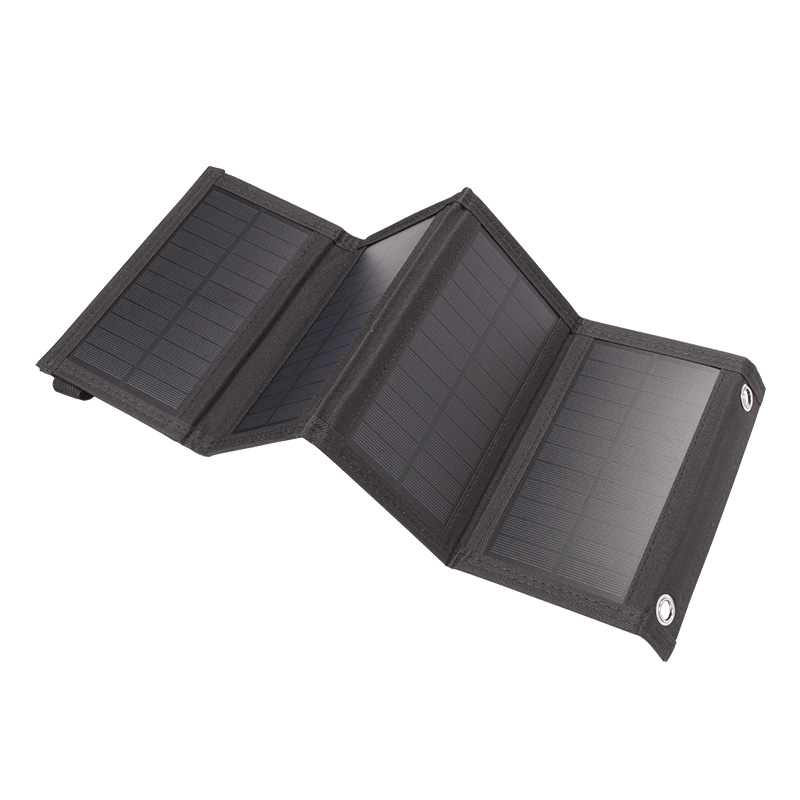
In a significant stride towards sustainable energy solutions, a newly developed solar panel specifically designed to power 1.5-ton air conditioning units has been introduced to the market. This cutting-edge solar module promises to revolutionize the way cooling systems operate by integrating renewable energy sources, reducing electricity consumption, and lowering carbon footprints. The innovation comes from a company with a strong heritage in solar technology and a commitment to advancing clean energy applications.
### A Solar Breakthrough for Cooling Systems
Air conditioners, especially those with a 1.5-ton capacity, are among the most energy-intensive appliances in both residential and commercial settings. As global temperatures rise and demand for efficient cooling escalates, there is an urgent need for eco-friendly alternatives that can reduce energy consumption and enhance sustainability. The newly launched solar panel is tailored to meet this demand by efficiently harnessing solar energy to power 1.5-ton AC units.
This solar solution is not only designed to be compatible with common air conditioning systems but also optimized to deliver consistent energy output even under varying sunlight conditions. By integrating this solar panel with an AC system, users can significantly reduce reliance on conventional grid electricity, lower their utility bills, and contribute to environmental preservation.
### Company Background: Pioneers in Solar Innovation
The company behind this breakthrough has been a key player in the solar industry since its establishment in March 2009. With a focused dedication to the research and development, production, and sales of high-quality solar modules, the company stands as one of the earliest enterprises in China to invest deeply in the solar cell application sector.
Over the years, the company has built a reputation for innovation and quality, driving forward the adoption of renewable energy technologies at a time when environmental awareness and green energy policies have gained global momentum. This new solar panel development for 1.5-ton AC units exemplifies the company’s continuous commitment to providing practical, energy-saving solutions.
### Technical Excellence and Application
Engineered with advanced photovoltaic technology, the solar panel boasts superior efficiency and durability, making it suitable for both residential and commercial applications. It employs high-grade solar cells that maximize electricity generation and maintain stable performance throughout various weather conditions.
This panel also features an easy installation process and compatibility with existing air conditioning infrastructure, enabling a seamless transition towards solar-powered cooling without complicated modifications. The company’s R&D team has focused on addressing common challenges in solar energy utilization, such as intermittency and power stability, by integrating smart controllers and battery storage options that ensure uninterrupted cooling performance.
The solar panel’s design ensures that it can provide sufficient electricity to run a standard 1.5-ton AC unit during peak sunlight hours, with options to store excess energy for nighttime use or cloudy days. This capability is critical in promoting energy independence and reducing the strain on national electricity grids, especially during heatwaves when power demand spikes.
### Environmental and Economic Benefits
By adopting this solar panel solution, users are poised to benefit not only economically but also environmentally. The reduction in electricity consumption directly translates into lower utility bills, offering long-term cost savings that help recoup the initial investment in solar technology.
From an environmental standpoint, powering air conditioners with solar energy significantly cuts greenhouse gas emissions compared to electricity generated from fossil fuels. Given the rapid increase in air conditioning units worldwide, widespread adoption of such solar-powered systems could play a pivotal role in mitigating climate change effects and reducing urban heat islands.
Moreover, this solar panel aligns with national and regional initiatives aimed at boosting renewable energy penetration and enhancing energy efficiency standards across sectors. It provides a scalable solution that can be adapted to various building sizes and energy needs, supporting the global transition to sustainable energy consumption.
### Future Prospects and Market Potential
The introduction of a specialized solar panel for 1.5-ton AC units marks an important milestone in the application of solar technology for everyday appliances. The company plans to expand this product line and further enhance its features by incorporating the latest advancements in solar cell efficiency, energy storage, and smart grid compatibility.
There is strong market potential for this product, especially in regions with high solar irradiance and growing reliance on air conditioning due to climatic conditions. The ability to leverage solar power for cooling can transform energy usage patterns in residential, commercial, and industrial sectors, contributing to energy resilience and sustainable development goals.
The company’s extensive experience and pioneering spirit in the solar cell industry equip it well to lead this charge. Its ongoing investments in R&D and commitment to quality ensure continued innovation and support for customers transitioning to clean energy solutions.
### Conclusion
The launch of this innovative solar panel tailored for 1.5-ton air conditioning units represents a meaningful step forward in integrating renewable energy into everyday appliances. Supported by a company with over a decade of expertise in solar module development, this product offers an effective and practical solution to reduce energy costs and environmental impact.
As the world embraces clean energy alternatives, such targeted solar applications will be crucial in achieving sustainable cooling, enhancing energy efficiency, and fostering a greener future. This development underscores the transformative potential of solar technology and sets a promising precedent for future innovations in the renewable energy landscape.