
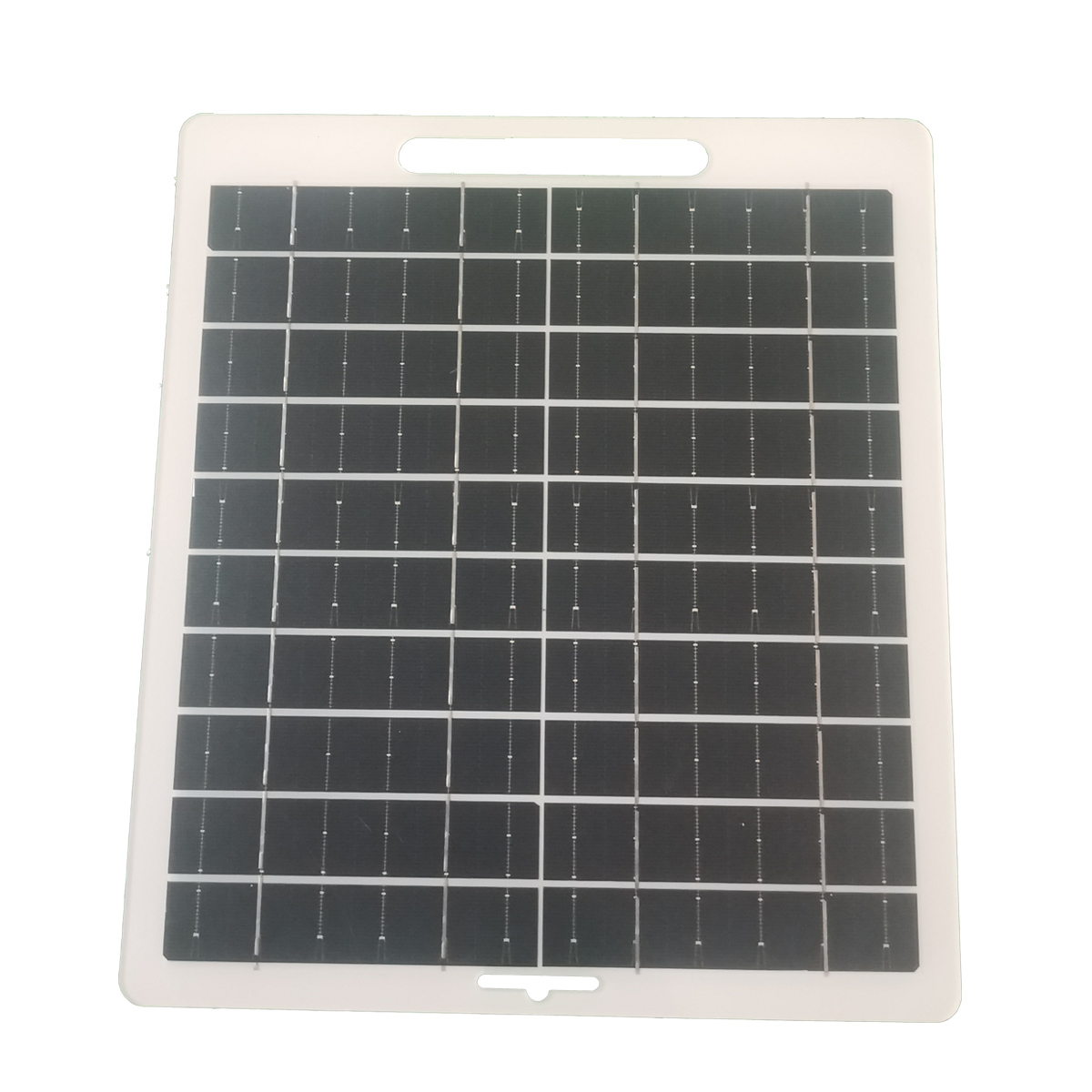
Deyangpu, established in March 2009, has been at the forefront of research and development in the solar energy sector in China. It is one of the earliest companies to invest in the research and development of solar cell application products in the country. Over the years, Deyangpu has focused on the production and sales of solar modules, constantly striving to improve the efficiency and cost-effectiveness of solar energy solutions.
The introduction of printed solar panels is a significant milestone for Deyangpu and the solar energy industry as a whole. Traditional solar panels are typically made using silicon-based photovoltaic cells, which are relatively expensive to produce. Printed solar panels, on the other hand, are manufactured using innovative printing techniques that allow for the mass production of solar cells at a lower cost.
One of the key advantages of printed solar panels is their flexibility. Unlike conventional solar panels, which are rigid and heavy, printed solar panels are lightweight and can be easily integrated into a variety of applications. This flexibility opens up new possibilities for the use of solar energy in both residential and commercial settings.
In addition to their flexibility, printed solar panels are also durable and highly efficient. Deyangpu has utilized advanced materials and manufacturing processes to ensure that their printed solar panels can withstand the rigors of outdoor use while maximizing energy conversion rates. This combination of flexibility, durability, and efficiency makes printed solar panels a compelling alternative to traditional solar panels.
The development of printed solar panels aligns with Deyangpu's commitment to making solar energy more accessible to a wider audience. By reducing the cost of solar panel production, Deyangpu hopes to make solar energy more affordable for homeowners, businesses, and communities around the world. This has the potential to accelerate the adoption of solar energy as a clean and sustainable power source.
In addition to their potential impact on the solar energy market, printed solar panels also have environmental benefits. The production of traditional silicon-based solar panels can be energy-intensive and can result in the emission of greenhouse gases. Printed solar panels, with their lower production costs and energy requirements, have the potential to reduce the environmental impact of solar panel manufacturing.
Deyangpu's success in developing printed solar panels is a testament to the company's dedication to innovation and sustainability. By investing in research and development, Deyangpu has been able to stay at the forefront of technological advancements in the solar energy industry. This commitment to excellence has solidified Deyangpu's position as a leader in the global solar energy market.
As the demand for renewable energy continues to grow, the development of printed solar panels represents a significant step forward in the evolution of solar energy technology. With their lower cost, flexibility, and environmental benefits, printed solar panels have the potential to reshape the way we think about solar energy.
In conclusion, Deyangpu's achievement in developing printed solar panels is a testament to the company's dedication to innovation and sustainability. This groundbreaking technology has the potential to revolutionize the solar energy industry, making solar power more affordable and accessible to a wider range of consumers. With their lower cost, flexibility, and environmental benefits, printed solar panels are poised to shape the future of solar energy technology for years to come.