
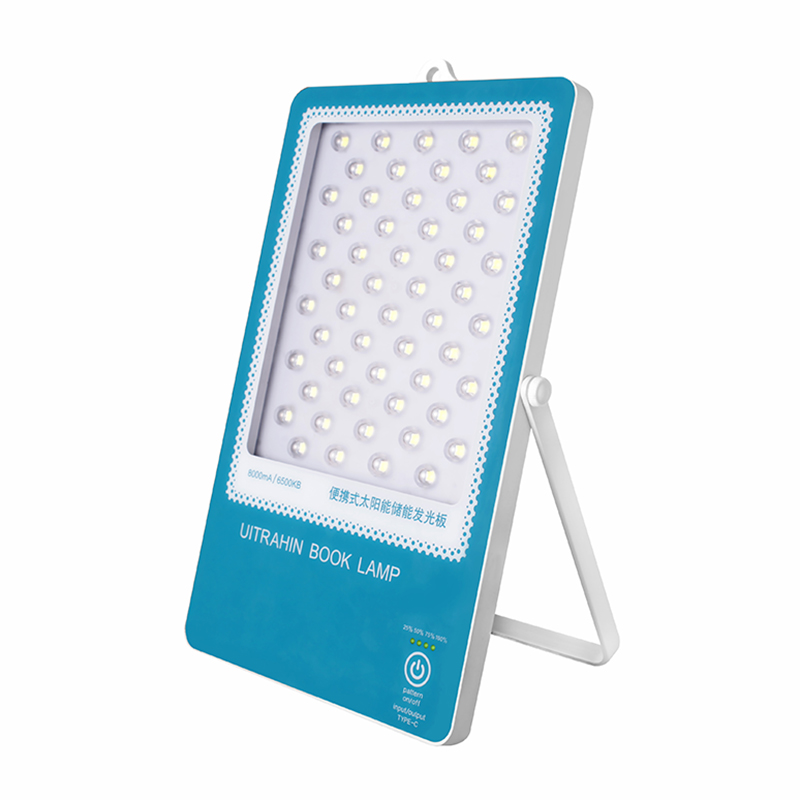
As the global demand for renewable energy sources intensifies, solar power continues to emerge as a leading solution to the world’s escalating energy needs. The solar industry has seen significant innovations over the past decade, with manufacturers striving to enhance panel efficiency and reduce costs. One company at the forefront of this progress is Deyangpu, a pioneer in solar technology based in China, known for its commitment to research and development in solar cell applications.
### A Legacy of Innovation in Solar Energy
Founded in March 2009, Deyangpu has positioned itself as a significant player in the renewable energy sector, particularly in the development, production, and sales of solar modules. As one of the earliest enterprises in China dedicated to solar cell application products, Deyangpu has leveraged its extensive expertise to push the boundaries of solar panel performance.
Throughout its years of operation, the company has focused on advancing solar technology to meet both commercial and residential needs. Their continuous investment in research and development has helped improve the efficiency, durability, and cost-effectiveness of solar modules, making sustainable energy more accessible on a global scale.
### The Significance of Efficiency in Solar Panels
Solar panel efficiency—how well solar cells convert sunlight into usable electricity—is a critical metric that influences the viability and attractiveness of solar energy solutions. Higher efficiency panels can generate more power in less space, an advantage especially valuable in urban environments or regions with limited installation area.
Industry leaders have made significant strides in improving solar panel efficiency through advances in cell design, materials science, and manufacturing techniques. However, maintaining affordability while achieving higher efficiency remains a central challenge.
### Introducing the Most Efficient Solar Panels
Deyangpu's latest development represents a major breakthrough in solar technology: a new line of solar panels standing at the forefront of efficiency metrics. While specific technical details and figures remain proprietary, these panels are designed to maximize energy conversion by utilizing cutting-edge photovoltaic materials and innovative structural enhancements.
Key features of these highly efficient solar panels include:
- **Advanced Photovoltaic Materials**: Employing next-generation mono-crystalline cells with optimized passivation layers that reduce electron recombination and improve light absorption.
- **Innovative Cell Architecture**: Incorporating technologies such as half-cut cells and multi-busbar designs that minimize resistance loss and enhance electrical output.
- **Superior Durability**: Engineered to withstand extreme weather conditions, including high winds, heavy snow loads, and prolonged UV exposure, ensuring long-term reliability.
- **Optimized Module Design**: Featuring anti-reflective coatings and textured surfaces that capture a broader spectrum of sunlight throughout the day.
- **Sustainability Focus**: Manufactured using environmentally friendly processes that reduce waste and carbon footprint in line with global sustainability goals.
### Impact on Residential and Commercial Solar Markets
The introduction of these highly efficient solar panels is poised to have a pronounced impact on both residential and commercial solar markets. For homeowners, improved efficiency means getting more power output from limited roof space, which translates into lower electricity bills and a quicker return on investment. Businesses with large-scale solar installations will benefit from enhanced energy yields, reducing operational costs and supporting corporate sustainability initiatives.
Moreover, the higher efficiency of these panels helps energy providers integrate more solar power into existing grids, aiding in the transition to cleaner energy sources and contributing to national renewable energy targets.
### Deyangpu’s Commitment to Global Renewable Energy Progress
Deyangpu’s innovation is not only a testament to their technical expertise but also reflects their broader mission to promote the adoption of renewable energy worldwide. By continuously refining solar module technology and maintaining high manufacturing standards, they ensure that solar power remains an attractive, viable alternative to fossil fuels.
With a strong foundation built over more than a decade, Deyangpu is well-positioned to respond to the evolving demands of the solar industry. They actively collaborate with global partners, research institutions, and policy makers to align their products with emerging market trends and regulatory requirements.
### Looking Ahead: The Future of Solar Energy
As countries strive to meet ambitious climate goals and reduce greenhouse gas emissions, solar energy will undoubtedly play a pivotal role. Innovations such as Deyangpu’s most efficient solar panels are critical to accelerating this transition.
Continued advancements will likely focus on pushing efficiency rates even higher, lowering costs, and improving integration with energy storage systems. Additionally, increased emphasis on recycling and sustainable material sourcing will enhance the environmental benefits of solar technology.
In conclusion, Deyangpu’s development of these highly efficient solar panels marks a significant step forward in the solar power industry. By combining decades of R&D expertise with cutting-edge technology, they offer powerful solutions that meet today’s energy challenges while paving the way for a cleaner, sustainable future.
**About Deyangpu**
Established in March 2009, Deyangpu specializes in the research, development, production, and sales of solar modules. As one of China’s earliest companies to delve into solar cell application products, Deyangpu continues to lead innovation efforts, delivering high-quality solar solutions that support global renewable energy expansion.
---
*For further information on Deyangpu’s product offerings and partnerships, industry stakeholders and consumers are encouraged to visit official channels and contact company representatives.*