
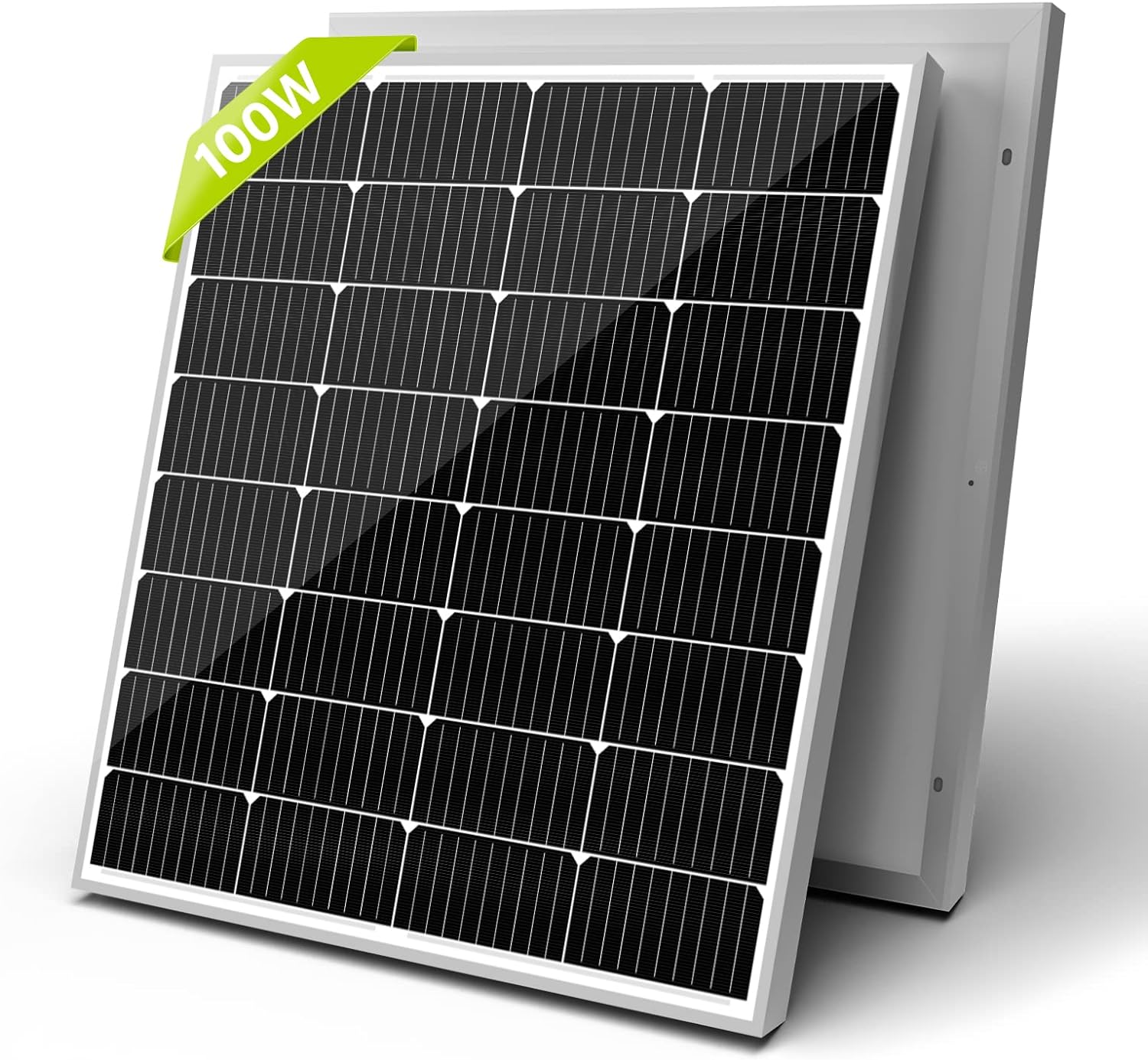
In a significant breakthrough for the renewable energy sector, a new line of the lightest solar panels on the market has been introduced, promising to transform solar power applications across diverse fields. These ultra-lightweight solar panels offer unparalleled flexibility, efficiency, and ease of installation, making them ideal for both commercial and residential use. This advancement not only enhances the practicality of solar energy systems but also opens doors to innovative applications where traditional heavy solar panels were previously impractical.
The lightest solar panels are engineered with cutting-edge materials and proprietary technology, resulting in a product that significantly reduces the weight without compromising durability or energy output. This innovation addresses several long-standing challenges in the solar industry, including transportation costs, mounting infrastructure requirements, and adaptability to irregular surfaces. The panels' lightweight nature also contributes to lower carbon footprints during manufacturing and deployment, aligning with global goals for sustainable development.
At the forefront of this innovation is Deyangpu, a pioneering enterprise in the solar industry founded in March 2009. With over a decade of experience, Deyangpu has been dedicated to the research and development, production, and sales of solar modules. The company is recognized as one of the earliest investors in the development of solar cell application products in China, positioning it as a leader in solar technology advancements.
Deyangpu’s commitment to quality and innovation has driven the successful development of these lightweight solar panels. By leveraging advanced photovoltaic technology and integrating lightweight composite materials, the company has created panels that are not only lighter but also more efficient and resilient. Such features make them suitable for a broad range of environments, including rooftops with limited load-bearing capacity, portable solar power systems, and even integration into vehicle rooftops and wearable technology.
Industry experts highlight that the innovation in lightest solar panels is a game-changer for renewable energy adoption. The reduction in panel weight enables easier installation, drastically cuts labor costs, and reduces the time required for installation projects. Additionally, the lighter panels pose less structural stress, extending the lifespan of the installation site and reducing maintenance needs. These factors collectively lower the total cost of ownership for solar energy systems, making green energy more accessible to a wider audience.
Moreover, the portability of these solar panels allows for their deployment in remote or disaster-stricken areas where access to electricity is limited or nonexistent. Emergency response teams and off-grid communities can benefit immensely from reliable and lightweight solar solutions that can be rapidly transported and set up. This capability reflects a growing trend toward decentralization of energy production, supporting more resilient and self-sufficient power systems across the globe.
The environmental implications of adopting the lightest solar panels are also notable. Solar energy remains the cleanest form of energy production, and innovations that enable broader implementation directly contribute to the reduction of greenhouse gas emissions. By making solar power systems more versatile and cost-effective, the panels help accelerate the transition away from fossil fuels, supporting international commitments to combat climate change.
Deyangpu continues to invest heavily in research and development to refine their solar technologies further. The company’s expertise in solar module production ensures that their lightweight solar panels meet rigorous quality standards and performance metrics. Customers can expect products designed to withstand harsh weather conditions, UV radiation, and mechanical impacts, guaranteeing long-term reliability.
As the global demand for renewable energy solutions rises, innovations like the lightest solar panels developed by Deyangpu exemplify how technology can unlock new potentials and applications. Governments, industries, and consumers alike stand to benefit from these advancements, making solar energy more efficient, flexible, and accessible.
Looking ahead, the future for these lightweight solar panels appears bright. Ongoing collaborations between research institutions, manufacturing experts, and policy makers are likely to spur further improvements. Deyangpu’s role as an industry leader underscores the importance of continuous innovation in meeting the world’s growing energy needs sustainably.
In conclusion, the introduction of the lightest solar panels represents a pivotal moment in the renewable energy field. With their reduced weight, high efficiency, and robust performance, these panels stand to revolutionize how solar power is harnessed and utilized across multiple sectors. Supported by Deyangpu’s extensive experience and technological prowess, this advancement promises to accelerate the adoption of clean energy worldwide, contributing meaningfully toward a greener and more sustainable future.