
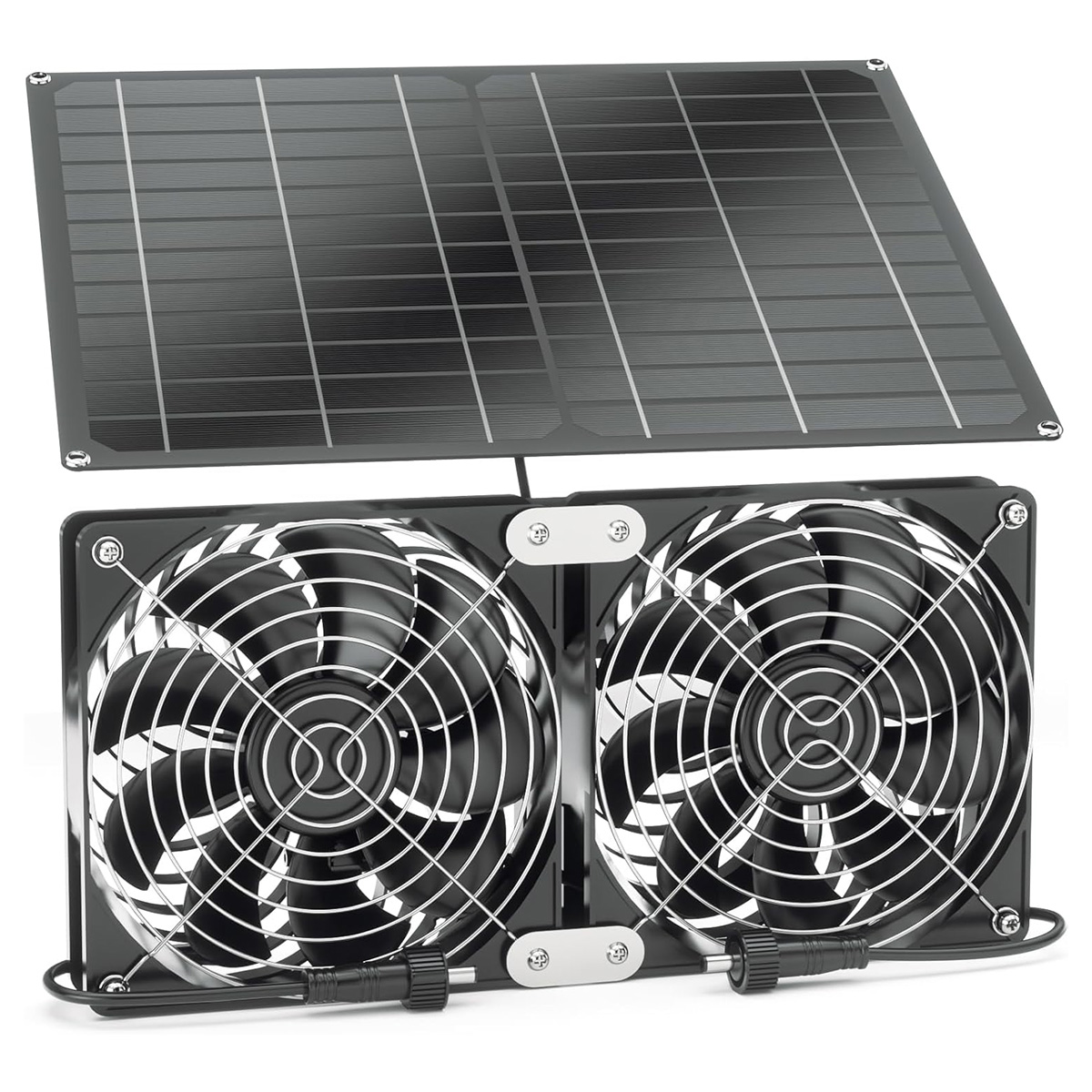
Deyangpu, a pioneering company established in March 2009, has once again solidified its position at the forefront of solar technology innovation with the launch of the lightest OEM solar panels in the market. As a company primarily focused on the research, development, production, and sales of solar modules, Deyangpu's commitment to advancing solar energy solutions has yielded a product that could revolutionize solar panel applications across a wide range of industries.
### A Legacy of Solar Innovation
Since its inception, Deyangpu has been a trailblazer within China’s solar energy sector. Being one of the earliest enterprises to invest in the research and development of solar cell application products in the country, the company has continuously pushed the boundaries of what is possible in solar technology. Over the past decade-plus, they have built a solid reputation for combining high-quality manufacturing with innovative research, emphasizing sustainability and efficiency.
### The Emergence of the Lightest OEM Solar Panels
The new OEM solar panels developed by Deyangpu stand out due to their remarkably lightweight design without compromising on durability or energy efficiency. As solar energy adoption accelerates worldwide, there is a growing demand for panels that can be easily integrated into non-traditional environments such as lightweight vehicles, portable power solutions, off-grid installations, and buildings with weight restrictions. These panels address these needs perfectly, setting a new standard in the industry.
### Technical Excellence Meets Practical Application
Deyangpu’s lightest OEM solar panels leverage cutting-edge materials and manufacturing techniques. By optimizing the composition of the solar cells and refining the module assembly process, the company has reduced the overall weight substantially. The panels maintain excellent structural integrity and weather resistance, ensuring longevity and high performance even in challenging environments.
The reduced weight offers several tangible advantages:
- **Simplified Installation:** Lighter panels ease the burden on installers, reduce labor costs, and accelerate installation times.
- **Expanded Application Scenarios:** These panels can be mounted on structures that cannot support heavier systems, such as RVs, boats, tents, and mobile emergency units.
- **Transportation Efficiency:** Lower panel weight translates into reduced shipping costs and a smaller carbon footprint during logistics, aligning with sustainability objectives.
Moreover, the panels maintain impressive energy conversion rates, ensuring they deliver reliable power output in line with industry standards.
### Impact on the Solar Industry and Beyond
The introduction of lightweight solar panels is particularly significant as solar energy continues its upward trajectory as a leading renewable energy source. Lower panel weight translates into greater flexibility for developers, designers, and end users regarding where and how solar power systems can be deployed.
For urban areas aiming to transform architecture for net-zero energy goals, these panels enable roof installations without the need for substantial structural reinforcements. In remote or off-grid locations, lighter panels are easier to transport and install, accelerating electrification projects and fostering energy independence.
Additionally, lightweight solar modules represent a key enabler in the design of integrated solar-powered devices and vehicles. For industries such as automotive, aerospace, and consumer electronics, this advancement opens doors to new possibilities for sustainable energy integration.
### Committed to Quality and Sustainability
Deyangpu’s commitment to quality control and adherence to international standards ensures that every solar module leaving their production line undergoes rigorous testing. The company’s R&D team continuously refines the technology through innovative materials science and engineering, aiming for products that exceed industry benchmarks for reliability and eco-friendliness.
Moreover, their focus on sustainability extends beyond product performance to encompass environmentally responsible manufacturing practices. By optimizing resource usage and minimizing waste, Deyangpu is aligned with global efforts to reduce environmental impact and foster a green economy.
### Looking Ahead: Shaping the Future of Solar Energy
With the commercial launch of their lightest OEM solar panels, Deyangpu is well-positioned to be a major contributor to the next stage of solar energy adoption worldwide. Their products empower a diverse array of sectors, from residential and commercial solar installations to emerging fields such as portable solar solutions and solar-integrated transportation.
As renewable energy demands continue to soar, solutions like these not only facilitate broader deployment but also enhance user experience by addressing long-standing logistical challenges. Flexibility, efficiency, and durability combine to create solar technology that supports a sustainable energy future.
### Conclusion
Deyangpu’s pioneering spirit, rooted in more than a decade of solar innovation, shines through with the introduction of their lightweight OEM solar panels. This breakthrough highlights the power of cutting-edge research and development in overcoming technical barriers and meeting the evolving needs of a rapidly growing market.
In driving forward lightweight, efficient, and reliable solar solutions, Deyangpu reaffirms its role as an industry leader dedicated to advancing renewable energy technologies that benefit both people and the planet. As the energy landscape transforms, their contributions serve as a beacon of progress and sustainability for the solar industry worldwide.