
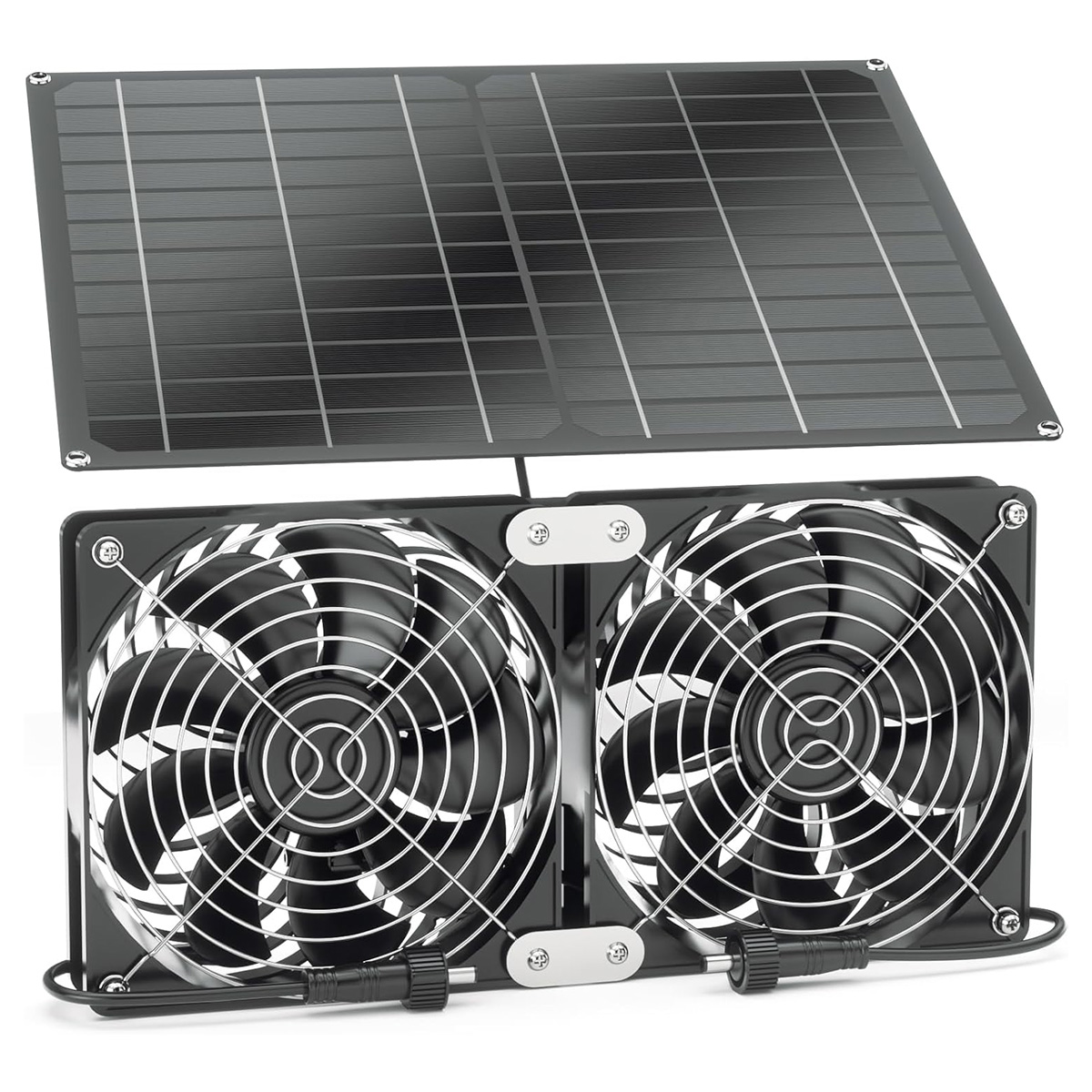
In a bold stride towards sustainable energy, government-funded solar panel initiatives are gaining momentum across China, driving innovation and adoption in the renewable energy sector. As the country accelerates its commitment to reducing carbon emissions and enhancing clean energy infrastructure, companies like Deyangpu are at the forefront of this green revolution. Established in March 2009, Deyangpu has been a key player in the research, development, production, and sales of solar modules, marking it as one of the earliest enterprises in China dedicated to advancing solar cell application products.
### Government Support Accelerates Solar Industry Growth
Recent government policies have significantly boosted the development and deployment of solar technologies. Through funding programs and strategic investments, the government aims to expand solar energy usage, reduce the nation’s reliance on fossil fuels, and meet ambitious carbon neutrality targets. These initiatives support both large-scale solar farms and the integration of solar panels into residential, commercial, and industrial facilities.
The government-funded solar panel projects are designed to make solar technology more affordable and accessible. By subsidizing production and installation costs, the government encourages businesses and households to embrace solar energy. This policy framework helps create a robust market for solar modules and incentivizes technological improvements in efficiency and durability.
### Deyangpu’s Commitment to Solar Innovation
Amid this favorable policy environment, Deyangpu’s role emerges as increasingly vital. Founded in 2009, the company has over a decade of experience in solar module innovation and manufacturing. As one of the first enterprises in China to focus on research and development of solar cell application products, Deyangpu has contributed significantly to local expertise and technology advancements.
Deyangpu's extensive R&D capabilities allow it to design and produce high-quality solar modules with improved efficiency, reliability, and cost-effectiveness. Their products are widely used in various sectors, from residential rooftop installations to large utility-scale solar power plants. By continuously enhancing the technology behind solar cells, Deyangpu helps lower the overall costs associated with solar power and boosts energy yield, making solar an even more attractive energy source.
### Collaborative Efforts for a Sustainable Future
The synergy between government initiatives and companies like Deyangpu underscores a collaborative approach to achieving China’s clean energy goals. Government funding not only reduces financial barriers but also creates a platform for innovative companies to scale their operations and implement cutting-edge solar solutions on a wider scale.
Deyangpu actively participates in pilot projects supported by government programs, helping to demonstrate the practical benefits and scalability of solar technology. These pilot projects also provide valuable data and feedback to refine solar panel designs and improve their integration into the existing power grid.
### Expanding Market and Environmental Impact
The expansion of solar energy facilitated by government funding and Deyangpu’s expertise has far-reaching effects on the economy and environment. The solar sector generates employment opportunities in manufacturing, installation, maintenance, and research, contributing to economic growth at local and national levels.
Environmentally, increased adoption of solar modules leads to a substantial reduction in greenhouse gas emissions. Solar energy provides a clean source of electricity that replaces coal and other carbon-intensive fuels, helping to combat air pollution and mitigate climate change. The innovations driven by companies like Deyangpu ensure that solar technology remains a sustainable and scalable solution over the long term.
### Looking Ahead: Challenges and Opportunities
While government support and industrial efforts have propelled solar power forward, several challenges remain. Grid integration, energy storage, and manufacturing capacity are areas that require ongoing attention to maximize the benefits of solar energy. Companies like Deyangpu are investing in research to address these challenges, such as improving solar panel efficiency under different environmental conditions and developing complementary battery technologies.
Additionally, as global demand for clean energy intensifies, there is an opportunity for Deyangpu to expand its footprint beyond domestic markets. By exporting solar modules and sharing technical expertise, the company can contribute to the global transition towards renewable energy and strengthen China’s role as a leader in solar technology innovation.
### Conclusion
The combined force of government funding and pioneering enterprises like Deyangpu is transforming the solar energy landscape in China. Government-backed solar panel projects reduce barriers to adoption and stimulate industry growth, while Deyangpu’s commitment to R&D and quality production enhances technology performance and market penetration. Together, they exemplify a powerful model for sustainable development—leveraging policy support and technological expertise to build a cleaner, greener energy future.
As the solar industry continues to evolve, the partnership between public initiatives and private innovation will be crucial in meeting energy demands, achieving environmental goals, and fostering economic prosperity. Deyangpu’s decade-plus experience and leadership in solar module development position it well to remain a key contributor in this vital sector. With continued investment and collaboration, the future of solar energy in China looks brighter than ever.