
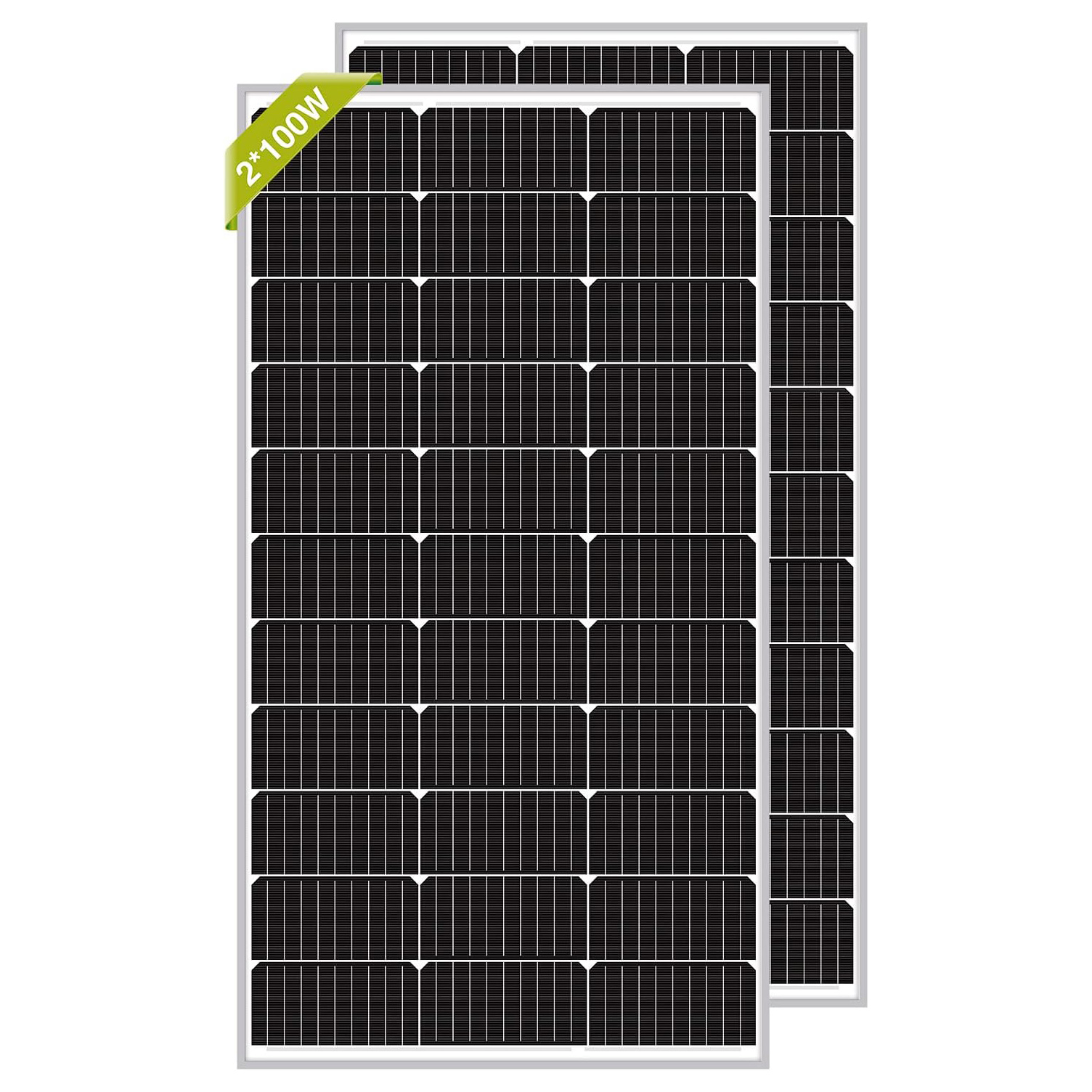
In a groundbreaking advancement for the renewable energy sector, a new type of walkable solar panel has been introduced, promising to transform the way solar energy is harnessed and utilized in everyday environments. This innovative technology integrates solar power generation into surfaces that can be safely walked on, opening up exciting possibilities for urban infrastructure, public spaces, and residential applications.
The company behind this cutting-edge development was established in March 2009 and has garnered a reputation as one of the earliest and most dedicated enterprises in China focused on the research, development, production, and sales of solar modules. With over a decade of experience in solar cell application innovations, the company has consistently pushed the boundaries of renewable energy technology to create practical, durable, and efficient solar solutions.
### Revolutionizing Urban Solar Energy with Walkable Panels
Traditional solar panels have been utilized mostly on rooftops and solar farms, where they require unobstructed access to sunlight but are not part of pedestrian or vehicular pathways. The advancement of walkable solar panels changes this paradigm by embedding photovoltaic cells into surface materials strong enough to be walked or even driven over, without compromising energy generation efficiency.
This new solar panel technology features ruggedized materials that protect the delicate photovoltaic cells beneath, ensuring they are resistant to weather, pressure, and wear. The surface is treated with a non-slip coating that prioritizes safety while maintaining maximum light transmittance for optimal power generation. This combination makes the panels suitable for installation in sidewalks, plazas, bike paths, parking lots, and other highly trafficked areas, turning these spaces into active energy-generating assets.
### Company’s Vision and Commitment
Since its inception in March 2009, the company has been committed to advancing solar energy application through rigorous research, development, and innovation. Recognized as one of China's pioneer enterprises in solar cell application products, the company has developed a broad portfolio of solar modules designed to meet diverse environmental and commercial needs.
The introduction of walkable solar panels is a continuation of this commitment. It reflects the company’s strategic vision of smart, integrated solar energy solutions that not only supply clean energy but also enhance the usability and aesthetics of urban spaces.
### Practical Applications and Benefits
The walkable solar panel technology offers several unique advantages:
1. **Maximized Space Utilization:** Urban areas often face space constraints that limit traditional solar panel installations. Walkable panels leverage existing pedestrian and traffic pathways, converting underutilized spaces into energy-producing surfaces without additional land use.
2. **Renewable Energy on the Move:** Public parks, sidewalks, and transit stations equipped with these panels can generate power right where it’s needed, potentially powering lighting, charging stations, or sensors embedded within these spaces.
3. **Enhanced Safety and Aesthetics:** The durable, slip-resistant surface ensures safety for pedestrians, while customizable panel designs can be integrated to complement the architectural style of public spaces.
4. **Durability and Maintenance:** Engineered for high load-bearing capacity and weather resistance, these panels require minimal maintenance, making them economically viable for long-term urban infrastructure projects.
### Environmental Impact and Future Prospects
The shift toward walkable solar panel installations aligns with global efforts to reduce carbon footprints and transition to sustainable energy sources. By integrating photovoltaic technology directly into everyday infrastructure, cities can significantly increase the generation of green energy without expanding their geographic footprint.
Furthermore, such innovations enable communities to raise awareness about renewable energy through visible, interactive installations, encouraging public engagement with sustainability initiatives.
Looking ahead, the company aims to refine and scale up production capacity for walkable solar panels, enabling widespread adoption in both domestic and international markets. Research and development efforts continue to focus on improving panel efficiency, longevity, and cost-effectiveness, ensuring that this technology can compete favorably with conventional solar solutions.
### Collaborations and Industry Impact
The company’s expertise and pioneering status in solar cell application products have positioned it as a key player for collaboration with urban planners, construction firms, and environmental agencies. By working together, stakeholders can accelerate the integration of walkable solar technology into future city designs, smart community projects, and green building certifications.
Such collaborations underscore the role of innovation-led enterprises in driving the solar industry forward, setting new benchmarks for how solar power can be seamlessly embedded in everyday life.
### Conclusion
The debut of walkable solar panel technology marks a significant milestone in renewable energy advancements. With its blend of safety, functionality, and sustainability, this innovation presents an attractive solution for boosting solar energy capacity within urban settings. Supported by a company with a robust track record in solar module research and development since 2009, the technology is poised to influence the future of clean energy infrastructure globally.
As the world grapples with climate change challenges and increased demand for sustainable resources, integrating solar power directly into urban landscapes through walkable panels could be a game changer, inspiring more cities to adopt renewable energy solutions that are as practical as they are innovative.