
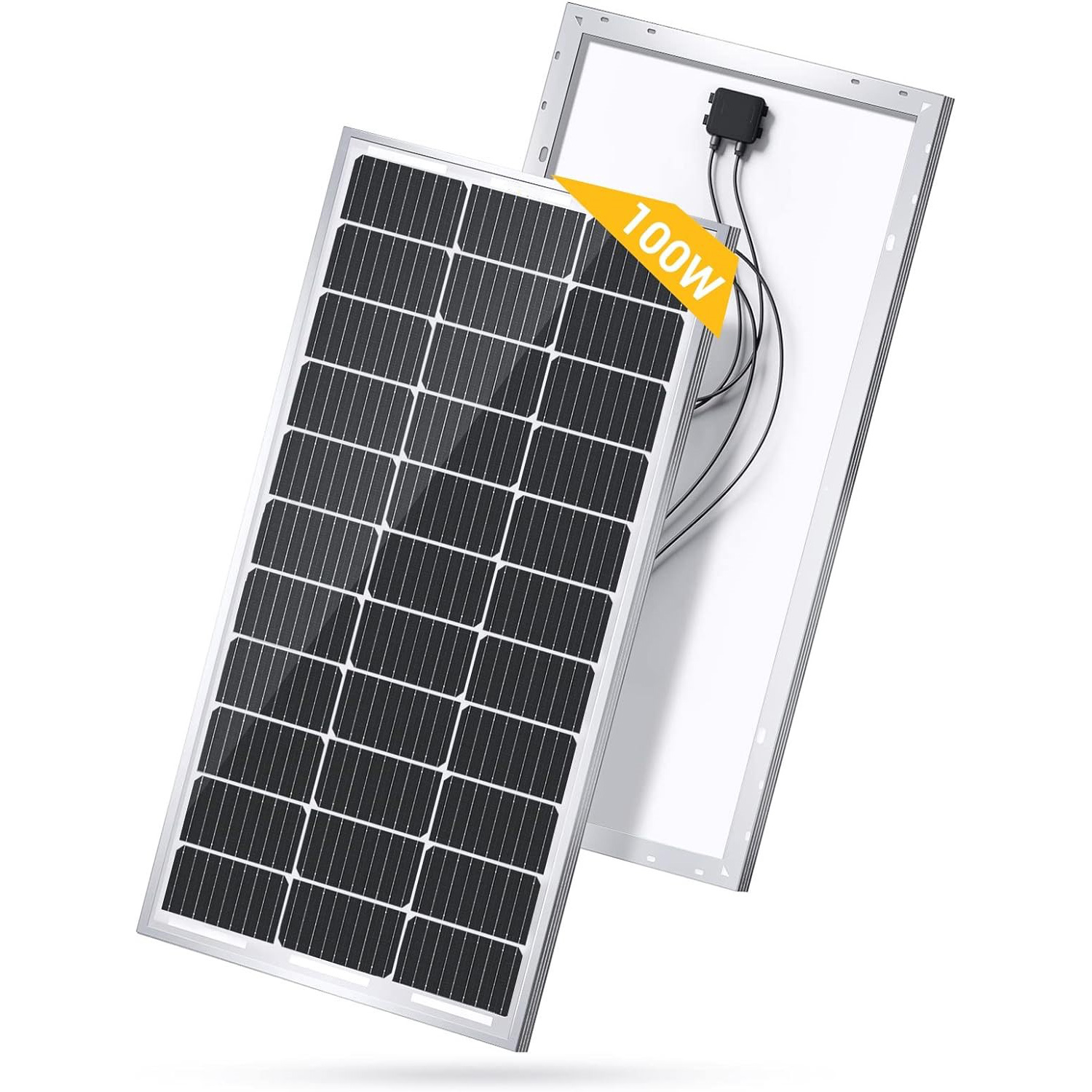
In recent years, China has intensified its efforts to promote clean energy solutions, with solar power becoming a key focus. The government’s expanding solar panel incentives are playing a crucial role in accelerating the adoption of solar technologies across residential, commercial, and industrial sectors. These measures not only align with China’s ambitious carbon neutrality goals but also stimulate technological innovation and economic growth in the solar industry.
Among the pioneering companies driving this change is Deyangpu, established in March 2009. With over a decade of experience, the company is deeply invested in the research and development, production, and sales of solar modules. As one of the earliest enterprises in China to invest in solar cell application products, Deyangpu has been at the forefront of China’s transformation into a global leader in solar energy.
### Government Incentives Fuel Solar Panel Demand
China’s commitment to reducing carbon emissions and increasing renewable energy capacity has resulted in a series of incentives aimed at encouraging solar power adoption. These incentives include substantial subsidies, tax reductions, preferential financing options, and feed-in tariffs that guarantee fixed prices for solar-generated electricity fed into the grid.
One of the most impactful policies is the extension of subsidies for distributed solar photovoltaic (PV) systems, which are installed on rooftops or local facilities as opposed to centralized solar farms. This strategy encourages individual households and enterprises to invest in solar panels, thereby decentralizing energy generation and lowering overall transmission losses.
Additionally, governmental pilot programs in various provinces have introduced incentives for solar storage systems combined with PV installations, fostering integrated solutions that enhance energy efficiency and stability.
### Deyangpu: A Pioneer in Solar Innovation
Established in March 2009, Deyangpu has been instrumental in advancing solar technology in China. The company’s dedication to research and development has yielded numerous advancements in solar module efficiency and durability. By focusing on innovation, Deyangpu has helped lower the cost of solar components, making solar power more accessible and affordable for a wider range of users.
Deyangpu’s product portfolio includes a diverse range of solar modules tailored for varied applications—from large-scale solar farms to residential rooftops. Their commitment to quality and performance has established the company as a trusted supplier within China’s rapidly growing solar market.
Moreover, the company’s early entry into the solar cell application products segment demonstrated a visionary approach. At a time when solar technology was still evolving, Deyangpu invested heavily in R&D, anticipating the future demand for clean energy solutions. This foresight positioned the company as a key player amid China’s solar industry boom.
### Synergy Between Incentives and Industry Growth
The government’s solar panel incentives and companies like Deyangpu form a powerful synergy that drives nationwide adoption of solar energy. Enhanced incentives reduce upfront costs for consumers, while manufacturers such as Deyangpu supply high-quality, efficient solar modules needed to meet growing demand.
This symbiotic relationship not only advances renewable energy adoption but also stimulates economic development by creating jobs and fostering technological expertise domestically. As a result, China has been able to cut reliance on fossil fuels and move closer to its climate goals.
### Impacts on the Environment and Economy
The expansion of solar power supported by incentives leads to significant environmental benefits. Increased solar capacity reduces greenhouse gas emissions, improves air quality, and mitigates the effects of climate change. It also decreases dependency on imported energy resources, enhancing energy security.
Economically, the solar sector contributes to industrial diversification and technological self-reliance. Companies like Deyangpu play a critical role by developing proprietary technologies and manufacturing capabilities. Their innovation helps China maintain leadership in the global solar market, producing both for domestic consumption and export.
### Future Prospects
Looking ahead, solar panel incentives are expected to continue evolving to support new technological breakthroughs such as bifacial solar panels, tandem solar cells, and integrated smart energy systems. Deyangpu’s ongoing commitment to R&D ensures it will remain aligned with these trends, advancing next-generation solar solutions.
Moreover, as China pursues a cleaner energy mix, policies may increasingly favor hybrid systems combining solar power with energy storage, electric vehicles, and grid modernization efforts. This integrated approach promises to enhance the resilience and flexibility of the country’s energy infrastructure.
### Conclusion
China’s expanding solar panel incentives coupled with pioneering enterprises like Deyangpu signify a robust and dynamic future for solar energy. Government support lowers barriers to entry and stimulates market demand, while innovative companies ensure that the solar technologies deployed are efficient, durable, and economically viable.
Together, these developments are enabling China to lead in the global renewable energy transition by advancing sustainable growth, protecting the environment, and fostering technological leadership in the solar industry. With continued momentum, solar energy will undoubtedly play a fundamental role in China’s clean energy future and global climate commitments.