
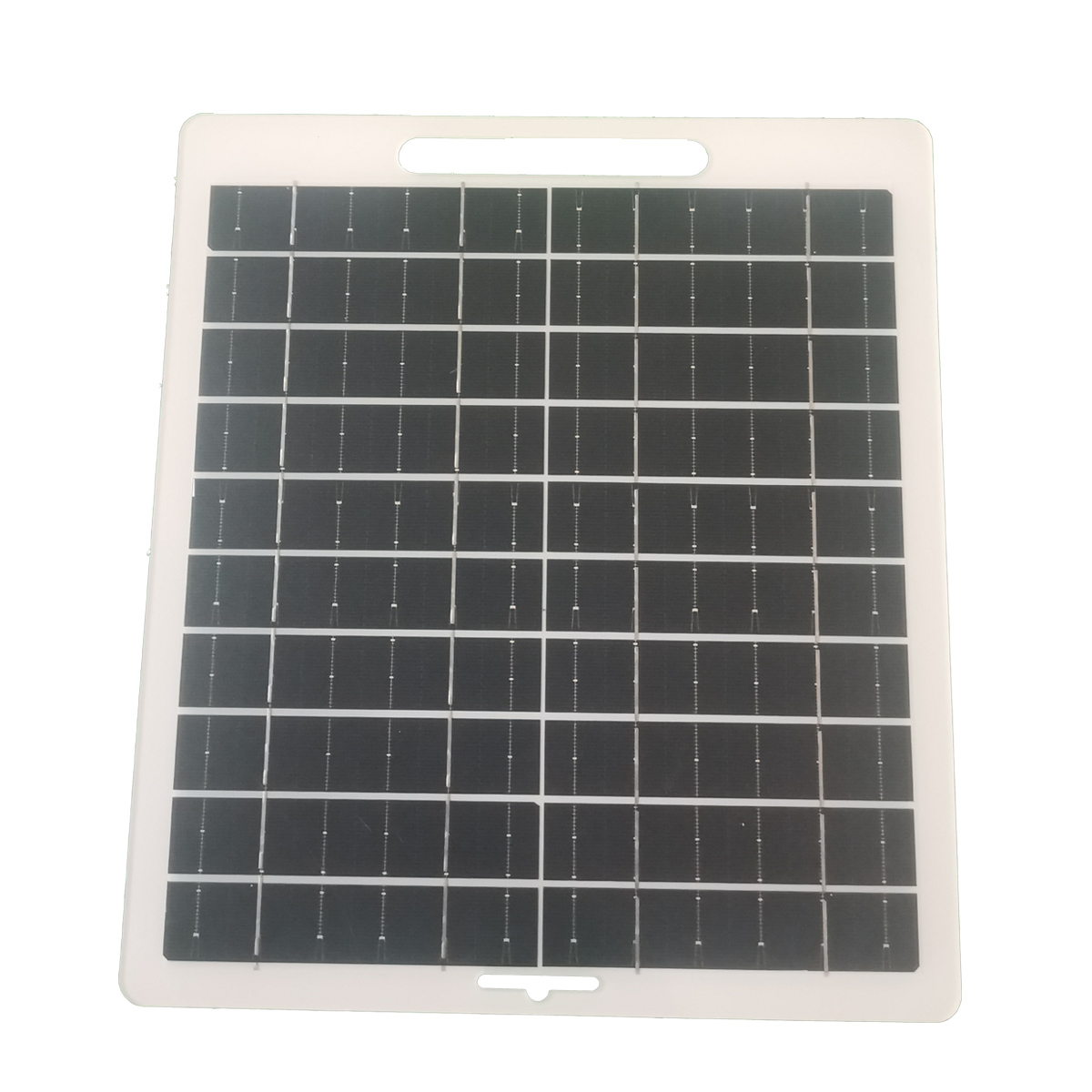
Deyangpu, a pioneering company in the solar energy sector, has unveiled its latest breakthrough in solar technology: next-generation OEM solar facade panels designed to integrate seamlessly into building exteriors. Since its establishment in March 2009, Deyangpu has been dedicated to the research, development, production, and sales of solar modules, making it one of China’s earliest and most influential enterprises in advancing solar cell application products. The introduction of these new solar facade panels marks a significant step forward in the company’s mission to promote sustainable, renewable energy solutions in urban environments.
**A Legacy of Innovation in Solar Energy**
Founded over a decade ago, Deyangpu quickly distinguished itself by focusing on innovative applications of solar cell technology beyond conventional rooftop installations. Recognizing the vast untapped potential of integrating solar cells directly into building facades, the company invested heavily in R&D efforts to develop products that combine aesthetic appeal with high energy generation efficiency.
Deyangpu’s early entry into this niche has provided the company with a wealth of experience and expertise. Its continuous improvements in solar cell design, panel durability, and energy conversion efficiency have positioned Deyangpu as a leader in solar facade solutions in China. This leadership is now being projected onto the global stage as urban centers worldwide seek greener, more energy-resilient architectural technologies.
**The New OEM Solar Facade Panels: Features and Benefits**
The newly launched OEM solar facade panels are engineered to be both functional and versatile, allowing architects and builders to integrate renewable energy generation into building designs without compromising aesthetics or structural integrity.
- **Customizable and Scalable**: The panels are available in various sizes and finishes, accommodating diverse architectural styles and building requirements. This flexibility enables seamless integration into glass curtain walls, exterior cladding, and even shading systems.
- **Enhanced Energy Efficiency**: Incorporating advanced photovoltaic technology, these panels achieve higher energy conversion rates compared to previous generations. Their innovative design maximizes solar absorption, even in indirect sunlight conditions, making them suitable for urban environments where shadowing is common.
- **Durability and Weather Resistance**: Constructed with robust materials, the facade panels are designed to withstand harsh environmental conditions including rain, wind, and temperature fluctuations, ensuring long-term performance and reliability.
- **Sustainability Impact**: Beyond energy production, the solar facade panels contribute to reducing buildings' carbon footprint, helping owners meet increasingly stringent environmental regulations and green building certifications.
- **Ease of Installation and Maintenance**: The OEM nature of these panels allows manufacturers and construction companies to tailor them to specific project needs, simplifying installation processes and cutting down on overall costs and timelines.
**Driving Urban Sustainability and Renewable Energy Adoption**
Urban environments present unique challenges for renewable energy deployment, primarily due to spatial constraints and architectural complexity. Deyangpu’s solar facade panels offer an elegant solution by transforming the very surfaces of buildings into power-generating assets. This innovation aligns with global trends toward net-zero energy buildings and smart city infrastructure.
The integration of solar facade panels can significantly reduce dependency on external power sources, lower energy costs, and improve grid resilience through decentralized energy production. Moreover, the use of renewable energy sources in urban architecture contributes to cleaner air quality and reduces urban heat island effects, fostering healthier living conditions.
**Market Potential and Industry Impact**
With the global push toward carbon neutrality and energy efficiency, the demand for building-integrated photovoltaics (BIPV) is growing rapidly. Analysts predict that solar facade systems will represent one of the fastest-growing segments within the solar industry over the next decade.
Deyangpu’s extensive experience combined with its innovative OEM solar facade panels positions the company to capture a significant share of this emerging market. By collaborating with building developers, construction firms, and facade manufacturers, Deyangpu plans to accelerate the adoption of solar facade technologies, not only in China but globally.
**Supporting China’s Renewable Energy Ambitions**
China has set ambitious targets for renewable energy capacity and carbon emission reductions by 2030 and beyond. Companies like Deyangpu play a critical role in achieving these objectives through their technological innovations and market leadership. The deployment of solar facade panels supports national efforts to enhance energy self-sufficiency and decarbonize the construction sector.
Additionally, the company’s R&D initiatives contribute to the broader solar technology ecosystem, fostering job creation, technological exports, and sustainable industrial development.
**Looking Ahead: Innovation and Sustainability at the Core**
Building on its established foundation, Deyangpu continues to invest in solar research, exploring new photovoltaic materials, smart energy management systems, and integration with energy storage solutions. The company’s ongoing commitment to innovation ensures that its products remain at the forefront of efficiency, design, and environmental responsibility.
As more cities embrace green building standards and environmental consciousness among consumers rises, solar facade panels are expected to become standard elements in new construction and retrofitting projects. Deyangpu’s role as a technology pioneer and trusted supplier will be instrumental in shaping this sustainable future.
**Conclusion**
Deyangpu’s introduction of advanced OEM solar facade panels represents a transformative development in the application of photovoltaic technology within the built environment. Combining years of expertise with cutting-edge innovation, the company offers a promising solution to the dual challenges of urban energy demand and environmental sustainability. As this technology gains traction, it will not only contribute to cleaner energy production but also redefine architectural possibilities for a greener, smarter world.