
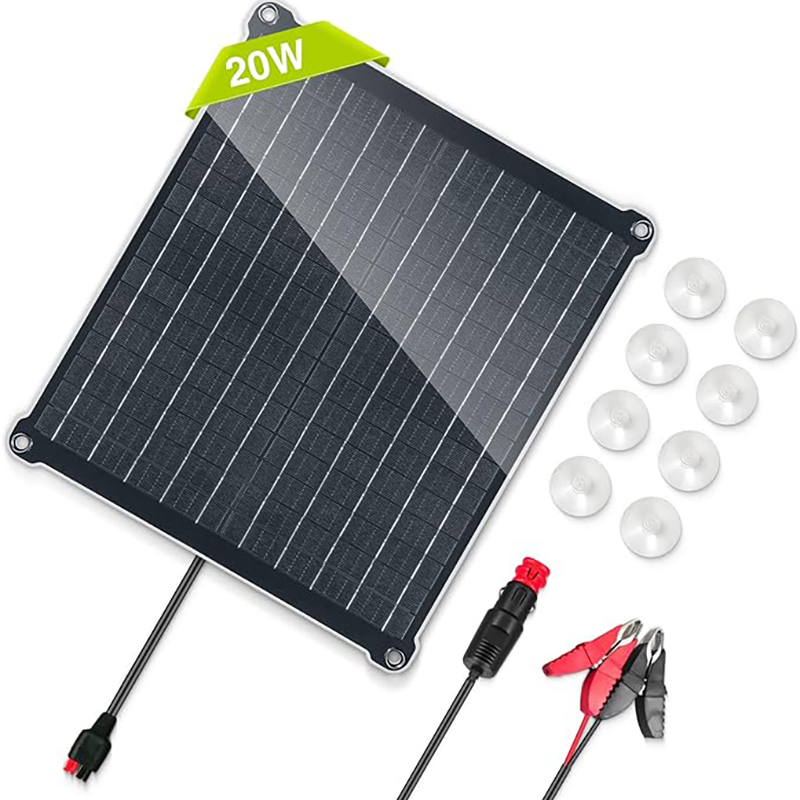
In recent years, China's small solar panel sector has witnessed remarkable development, driven by technological innovation and increasing market demand for renewable energy solutions. Among the pioneering enterprises in this field is Deyangpu, a company that has played a significant role in advancing solar module technology in China since its establishment in March 2009.
Deyangpu, primarily focused on the research, development, production, and sales of solar modules, stands as one of the earliest companies in the country to invest in solar cell application products. Over the past decade, the company has contributed significantly to the growth of the solar industry by introducing efficient and reliable solar modules tailored specifically for small-scale applications.
### Early Investment Ensures Technological Leadership
Founded at a time when China's renewable energy market was still in its formative stages, Deyangpu set itself apart by dedicating significant resources to research and development in solar cell technologies. This early investment helped position the company as a front-runner, capable of adapting to rapidly evolving technological standards within the solar energy sector.
Deyangpu’s approach integrates innovative design with precision manufacturing techniques to produce small solar panels that cater to a range of applications—from residential rooftop solutions and portable charging devices to remote sensor powering and low-consumption electronic products.
### Meeting the Growing Demand for Small Solar Panels
Small solar panels have increasingly become a crucial part of the renewable energy landscape due to their efficiency, versatility, and ease of deployment. These panels, while compact, generate sufficient power for varied purposes, making them attractive for both individual consumers and commercial users looking to harness solar energy in limited spaces.
China’s commitment to clean energy initiatives and the goal to reduce carbon emissions have further spurred demand for such solar products. Government policies encouraging the adoption of solar technology in rural and urban areas alike have opened new markets for companies like Deyangpu.
### Commitment to Quality and Sustainability
At the core of Deyangpu’s business philosophy is a commitment to quality assurance and sustainable manufacturing practices. The company employs stringent quality control measures throughout the production process ensuring that every solar panel meets rigorous standards for efficiency, durability, and safety.
Sustainability also guides their materials sourcing and waste management strategies. By optimizing production techniques and using environmentally-friendly materials where possible, Deyangpu helps minimize the environmental footprint of its products, aligning with broader global efforts to promote green and clean energy technologies.
### Expanding Outreach and Collaboration
The company’s dedication to innovation has made it an attractive partner for both domestic and international collaborations. By working closely with research institutions and industry partners, Deyangpu continuously refines its solar cell technologies and explores new applications.
In addition to focusing on manufacturing excellence, Deyangpu actively participates in exhibitions, trade fairs, and renewable energy forums, broadening its market presence and staying connected with global renewable energy trends.
### Future Outlook and Industry Impact
Looking ahead, the China's small solar panel industry is expected to expand steadily as technological advancements continue and costs decrease. With increasing investments in energy storage systems and smart grid technologies, the integration of small solar panels into wider energy systems will become more seamless, thereby broadening their utility and market penetration.
For companies like Deyangpu, the future holds promising opportunities to deepen their product offerings, including the development of more efficient photovoltaic cells and specialized modules designed for emerging sectors such as electric vehicles and Internet of Things (IoT) devices.
### Conclusion
China's small solar panel market is entering a vibrant phase of growth, driven by innovation, policy support, and rising consumer awareness of green energy benefits. As one of the earliest enterprises committed to solar cell application R&D, production, and sales, Deyangpu exemplifies the dynamic progress within this space.
With its steadfast focus on quality, sustainability, and technological advancement, Deyangpu not only contributes to China’s renewable energy goals but also helps set benchmarks for the global small solar panel industry. The company’s journey from its inception in 2009 to becoming a leader in solar module innovation highlights the critical role of early investment and continuous development in supporting a sustainable energy future.