
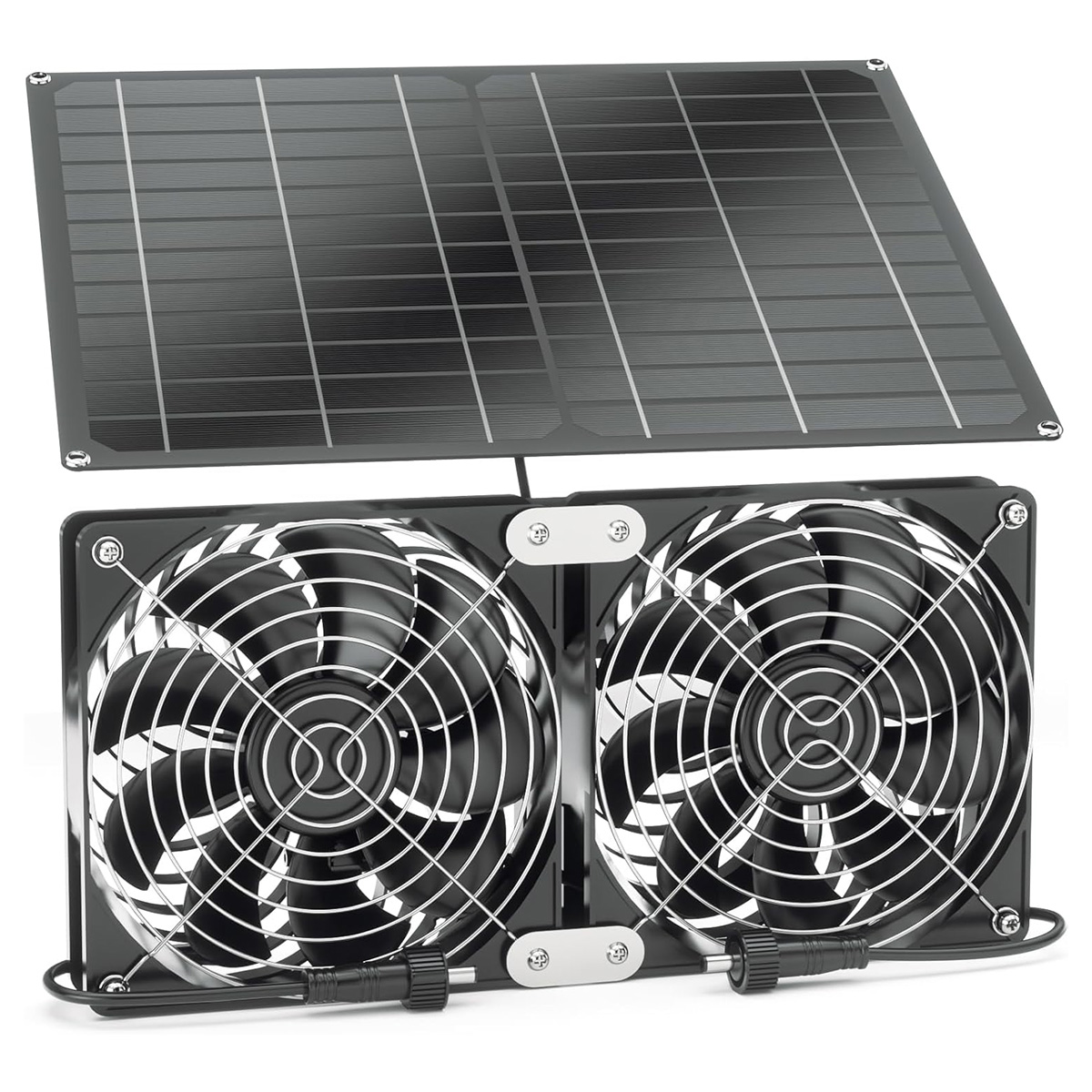
In the rapidly evolving landscape of renewable energy, solar technology continues to lead the way as a sustainable and efficient power source across the globe. Among the key players fueling this green revolution in China is Deyangpu, a company that has been at the forefront of solar module research, development, production, and sales since its establishment in March 2009. As an early pioneer in China’s solar cell application research, Deyangpu’s journey reflects both the country’s commitment to renewable energy and the technological advancements pushing solar power adoption to new heights.
**Early Beginnings and Vision**
Founded in 2009, Deyangpu emerged at a time when China was beginning to recognize the strategic importance of renewable energy. From the outset, the company focused on innovating solar modules — the core components of solar panels that convert sunlight into electricity. While many enterprises were entering the sector, Deyangpu distinguished itself by investing heavily in research and development (R&D) to enhance product performance and durability.
Being one of the earliest enterprises in China dedicated to solar cell applications, the company drew on a strong technical foundation. Its R&D team has consistently worked to develop modules capable of higher efficiency, better resilience in varying climates, and optimized energy capture — important factors that contribute to lowering the cost per watt and improving the return on investment for customers.
**Technological Advancements and Product Innovation**
Deyangpu’s commitment to advancing solar technology is evident through its ongoing refinement of module design and production processes. The company continuously integrates cutting-edge materials and manufacturing techniques, such as using advanced photovoltaic (PV) cells, anti-reflective coatings, and robust encapsulation to withstand weather extremes.
Moreover, Deyangpu has adapted its solar modules to meet diverse application needs — from large-scale utility projects to residential rooftop installations. Their product portfolio exhibits versatility, catering to regions with varying solar irradiance and environmental conditions, thereby broadening the accessibility of solar energy solutions.
Research has also extended into improving the environmental footprint of production processes. By optimizing material usage and enhancing recycling measures, Deyangpu aligns with global sustainability goals while maintaining competitive manufacturing costs.
**Market Presence and Growth**
Over more than a decade, Deyangpu has transitioned from a startup to a reputable name in China’s solar industry. Its products have been deployed in numerous projects domestically and internationally, contributing to the expansion of solar capacity and the promotion of clean energy.
The company’s sales strategies balance direct engagement with end-users and collaboration with distributors and system integrators. This approach ensures that a wide array of customers, from industrial clients to individual homeowners, can benefit from tailored solar solutions.
Additionally, Deyangpu keeps a close eye on emerging market trends and policy developments. China’s national goals for carbon neutrality and green energy development provide a fertile environment for the company’s growth. As government subsidies evolve and new standards come into effect, Deyangpu leverages its technical agility to comply and thrive under changing conditions.
**Contribution to China’s Renewable Energy Ambitions**
China’s ambitious targets to peak carbon emissions before 2030 and achieve carbon neutrality by 2060 have made renewable energy a national priority. Solar power plays a vital role in reducing reliance on fossil fuels and curbing air pollution.
Deyangpu’s innovations and production capacity contribute to increasing solar module availability and affordability. By supporting both utility-scale solar farms and decentralized solar power generation, the company aids in diversifying China’s energy mix and enhancing energy security.
Beyond commercial impact, Deyangpu also participates in industry forums, collaborates with research institutions, and supports knowledge exchange programs. These activities promote awareness and adoption of solar technologies, driving the sector forward as a whole.
**Challenges and Future Outlook**
While the solar industry offers significant opportunities, it also faces challenges such as raw material supply fluctuations, competitive pressures, and the need for ongoing technological breakthroughs. Deyangpu confronts these hurdles through strategic investments in R&D, process optimization, and supply chain management.
Looking ahead, the company aims to enhance module efficiency further, explore new solar technologies such as bifacial panels and perovskite cells, and expand its global footprint. Integration with energy storage solutions and smart grid systems also presents new avenues for growth.
Deyangpu remains well-positioned to continue its influential role in propelling China’s renewable energy transition. Its steady expansion and innovation efforts embody the spirit of a modern, sustainable energy company dedicated to powering a cleaner future.
**Conclusion**
Deyangpu’s nearly fifteen years of dedication to solar module development exemplify the intersection of technology, industry, and environmental responsibility in China’s renewable energy sector. From an early pioneer in solar cell application research to a mature manufacturer with a growing market presence, the company’s story highlights the importance of continuous innovation and commitment to sustainability.
As the world increasingly pivots towards green energy solutions, enterprises like Deyangpu showcase how targeted R&D, quality production, and customer-centric strategies can drive meaningful progress. With China’s renewable energy ambitions gaining momentum, Deyangpu’s solar modules will likely continue illuminating both homes and industries, powering the nation’s path to a sustainable future.