
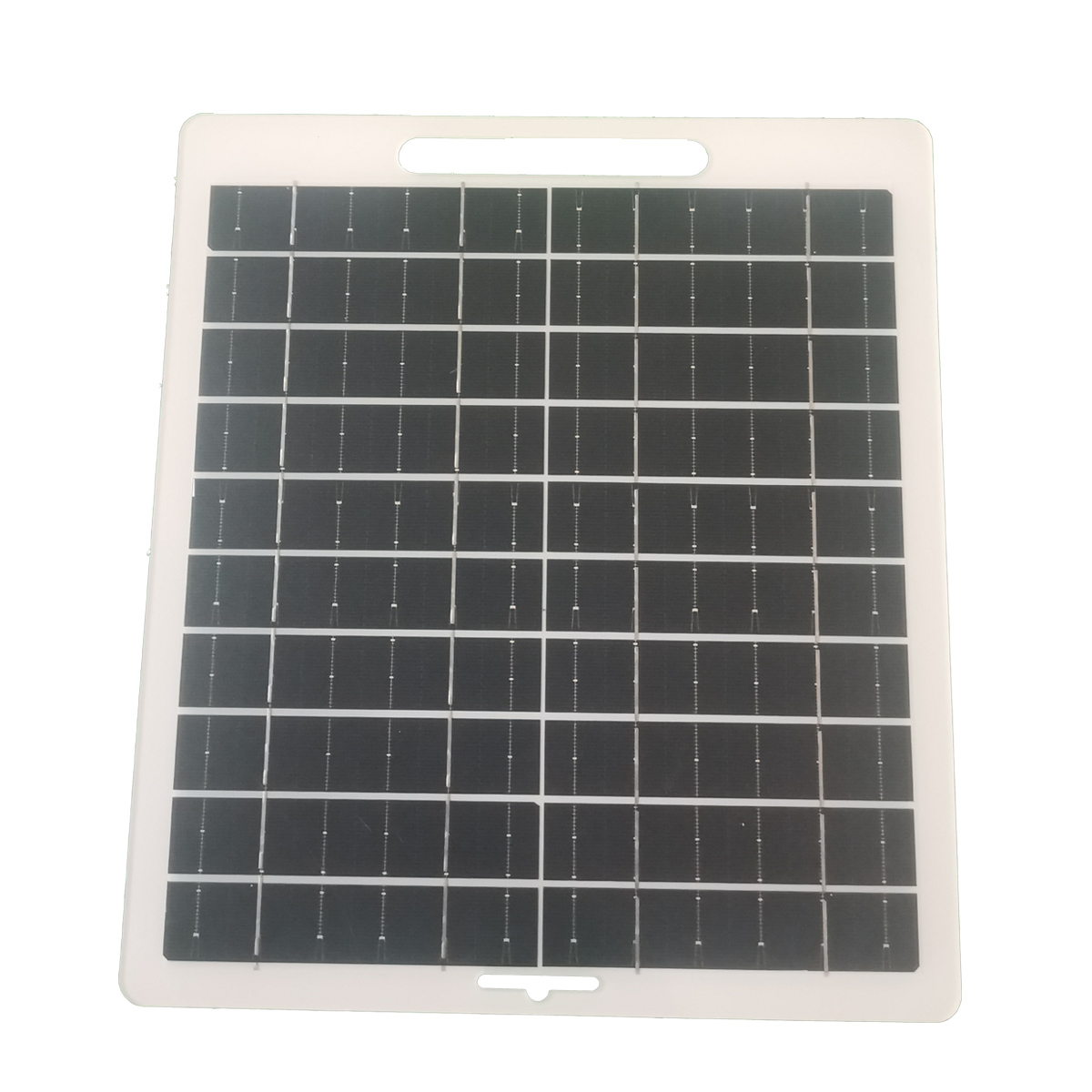
In the steadily evolving landscape of renewable energy, thermodynamic solar panels have emerged as a groundbreaking technology, promising to significantly enhance the efficiency and accessibility of solar power applications. Developed through the concerted efforts of leading industry experts, these advanced solar panels are redefining how solar energy is captured and utilized, marking a new chapter in sustainable energy solutions.
### A Leap Beyond Traditional Solar Technology
Traditional solar panels primarily harness sunlight to generate electricity, functioning optimally under direct sunlight. However, thermodynamic solar panels operate on a novel principle that allows them to capture energy even in the absence of direct sunlight, including during cloudy days and at night. This functionality stems from their ability to exploit the temperature difference between the ambient air and a refrigerant fluid within the panel system, converting thermal energy into usable power.
This innovative technology effectively combines solar thermal and photovoltaic components, maximizing energy capture by utilizing both solar radiation and ambient heat. As a result, thermodynamic solar panels offer enhanced reliability and stable energy output, addressing one of the major challenges faced by traditional solar systems — dependence on consistent sunlight.
### The Pioneer Behind the Innovation: Deyangpu
At the forefront of solar technology innovation stands Deyangpu, a trailblazing company established in March 2009. With over a decade of experience, Deyangpu has dedicated itself to the research, development, production, and sales of solar modules. As one of China’s earliest enterprises investing in solar cell application products, the company has garnered a reputation for technological excellence and pioneering spirit in the renewable energy sector.
Deyangpu’s commitment to innovation and quality has enabled it to continuously improve solar solutions that meet evolving market needs. By integrating thermodynamic technology into their solar modules, the company is setting a new standard for efficiency and sustainability in solar energy applications.
### Research and Development Driving Progress
The journey toward thermodynamic solar panels began with an intensive phase of research and development at Deyangpu’s innovation centers. The R&D teams focused on enhancing the heat exchange efficiency and the reliability of the refrigerant cycle used within the panels. Through collaborative efforts with universities and research institutions, Deyangpu refined the thermodynamic principle adaptations to ensure robustness and scalability for mass production.
Moreover, the company has placed strong emphasis on the practical usability of their products. This has involved rigorous testing under diverse climatic conditions to validate performance consistency. The results have indicated impressive energy capture capacity in various environments, making these panels suitable for residential, commercial, and industrial applications alike.
### Market Potential and Environmental Impact
The introduction of thermodynamic solar panels heralds a significant opportunity to expand solar power utilization. With their capability to generate energy beyond traditional sunlight hours, these panels address a critical limitation of conventional solar energy systems — intermittency. This improvement enhances grid stability and reduces reliance on fossil fuel-based backup power systems.
In addition, widespread adoption of thermodynamic solar panels can contribute significantly to global carbon reduction targets. By increasing the efficiency and hours of solar energy generation, the technology decreases the need for non-renewable energy sources, thereby mitigating greenhouse gas emissions.
The panels’ resilience and adaptability also open new markets in regions where sunlight may be less consistent, such as northern latitudes or areas with frequent cloud cover. This broadens the reach of clean energy solutions, supporting global efforts toward energy equity and sustainability.
### Industry Reception and Future Outlook
The renewable energy industry has responded positively to the advent of thermodynamic solar panels. Experts highlight the technology’s potential to transform solar energy economics by enhancing yield and reducing operating costs. Analysts also note that the technology complements existing solar infrastructures, allowing for gradual integration without necessitating complete system overhauls.
Looking ahead, Deyangpu plans to scale up production capabilities to meet rising demand and continue innovating to boost panel performance. The company is also exploring partnerships for global distribution, aiming to bring the benefits of thermodynamic solar technology to international markets.
Furthermore, ongoing research aims to optimize material composition and improve the lifespan of panels, ensuring long-term sustainability and value for users. With governmental policies increasingly favoring renewable energy adoption, thermodynamic solar panels are well-positioned to play a pivotal role in the energy transition.
### Conclusion
Thermodynamic solar panels represent a significant advancement in solar energy technology. By leveraging the innovative combination of thermal and photovoltaic processes, these panels provide consistent and enhanced energy generation, overcoming many of the limitations inherent in traditional solar systems.
With companies like Deyangpu spearheading development and commercialization efforts, the technology promises to accelerate the adoption of renewable energy worldwide, contributing to a cleaner, more sustainable future. As markets evolve and technologies mature, thermodynamic solar panels could become an essential component of global energy strategies, powering homes and industries with greener, more reliable solar solutions.