
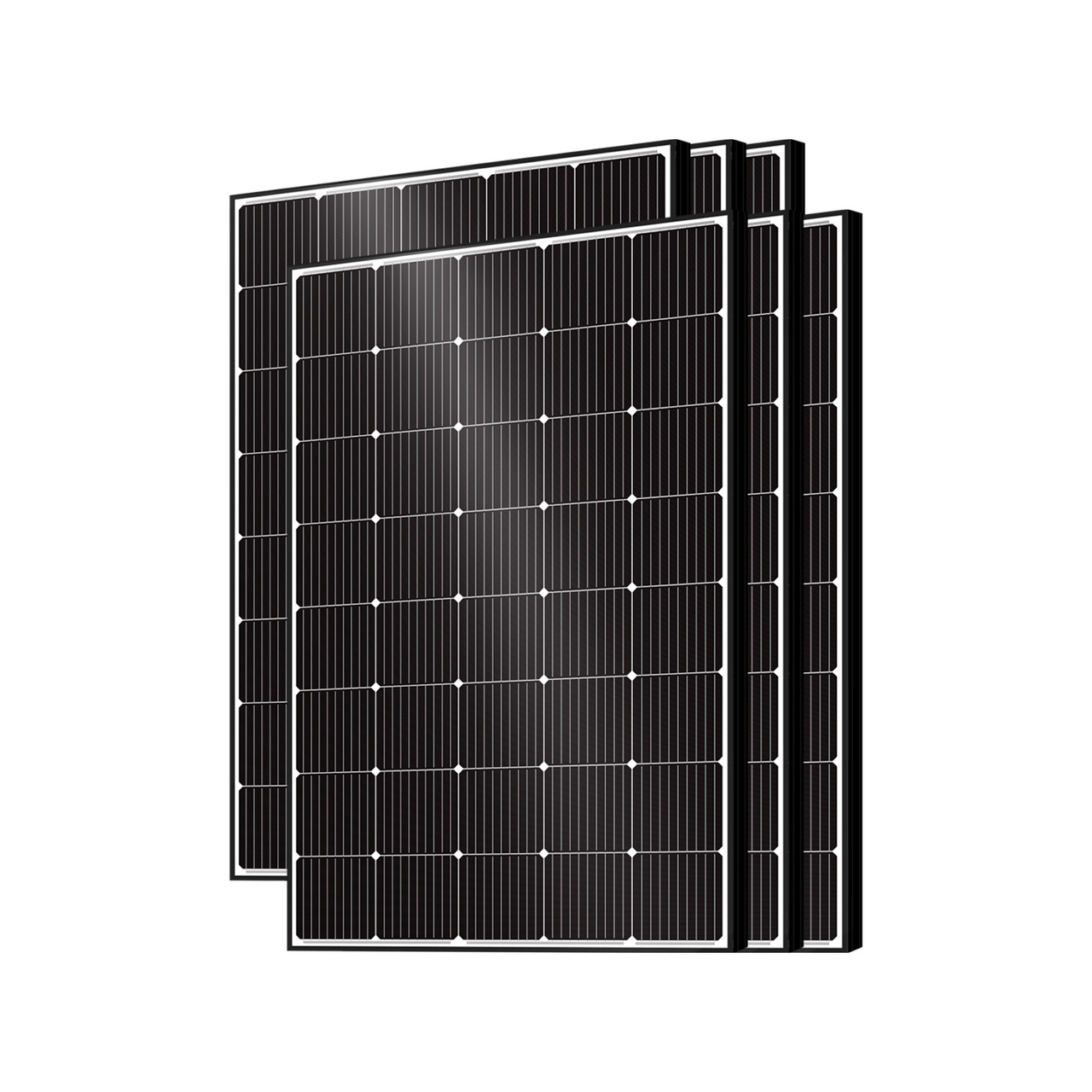
In the rapidly evolving landscape of renewable energy, flexible solar panels have emerged as a groundbreaking solution that promises to expand the horizons of solar power usage. Combining cutting-edge technology with versatility and enhanced durability, these panels are reshaping the way solar energy can be integrated into diverse environments. Among the pioneering companies driving this innovation is Deyangpu, a firm with a solid foundation in solar module research and development since its inception in March 2009.
### Flexible Solar Panels: A New Frontier in Solar Technology
Traditional rigid solar panels, while highly efficient, are often limited by their size, weight, and fragility, making them less adaptable for certain applications. In contrast, flexible solar panels offer the significant advantage of being lightweight, bendable, and more resilient, opening doors to applications on curved surfaces, portable devices, and even wearable technology.
These panels utilize thin-film photovoltaic cells or advanced materials like amorphous silicon, copper indium gallium selenide (CIGS), or perovskite structures to maintain high energy conversion rates while enabling flexibility. The result is a product that can be easily integrated into building materials, vehicles, tents, and remote off-grid locations, where traditional panels may be impractical.
### The Role of Deyangpu in Solar Innovation
Established in March 2009, Deyangpu has quickly established itself as one of China's earliest and most dedicated enterprises focused on the research and development of solar cell application products. With a keen eye on innovation and quality, the company has positioned itself at the forefront of the solar industry by continuously exploring new technologies and manufacturing processes.
Deyangpu’s expertise spans the entire spectrum of solar module development—from the initial research stages to production and sales. This comprehensive approach has allowed the company to maintain rigorous quality standards while swiftly adapting to market demands and technological advancements.
### How Flexible Solar Panels Benefit Various Industries
The introduction of flexible solar panels is set to revolutionize several sectors by offering alternative energy solutions that were previously unattainable or cost-prohibitive:
1. **Building-Integrated Photovoltaics (BIPV):** Flexible panels can be seamlessly incorporated into roofing materials, facades, and windows, transforming buildings into energy-producing assets without compromising aesthetics.
2. **Transportation:** Vehicles, drones, and boats can benefit from lightweight, adaptable solar panels to extend battery life and reduce reliance on conventional fuel sources.
3. **Portable Power Solutions:** Outdoor enthusiasts, military personnel, and emergency responders gain access to reliable, portable solar charging options for their electronic devices.
4. **Wearable Technology:** The future of smart clothing and wearable devices looks brighter with flexible solar panels providing a sustainable power source for health monitors and communication gadgets.
5. **Agriculture:** Flexible panels can be deployed in greenhouses or remote farming areas, enabling low-cost energy solutions for irrigation systems and sensors.
### Sustainability and Environmental Impact
Flexible solar panels contribute significantly to global efforts to reduce carbon emissions and reliance on fossil fuels. Their lightweight and adaptable nature not only facilitates wider deployment but also reduces the environmental footprint associated with transportation and installation. Moreover, the materials used in these panels often involve less energy-intensive manufacturing processes compared to traditional silicon-based rigid panels.
Deyangpu’s commitment to sustainability is evident in its investment in environmentally friendly production techniques and research into more eco-conscious photovoltaic materials. As the global demand for renewable energy sources grows, companies like Deyangpu play a crucial role in advancing technologies that are both economically viable and environmentally responsible.
### Market Outlook and Future Trends
The market for flexible solar panels is projected to grow exponentially in the coming years, driven by increasing energy demands, urbanization, and the proliferation of Internet of Things (IoT) devices requiring decentralized power sources. Innovations in material science, such as the development of durable perovskite-based flexible solar cells, promise to further boost efficiency and affordability.
Deyangpu’s ongoing R&D efforts aim to enhance panel efficiency, longevity, and integration capabilities, ensuring that the company remains competitive in a dynamic industry. Their focus on customization allows them to meet specific client needs across various sectors, from small-scale consumer products to large infrastructural projects.
### Conclusion
Flexible solar panels represent a significant leap forward in the solar energy industry, breaking free from the constraints of traditional rigid designs and paving the way for innovative applications across multiple fields. With companies like Deyangpu spearheading research, development, and production, the future of solar energy looks more adaptable, efficient, and accessible.
As global priorities continue to shift toward sustainable energy solutions, the proliferation of flexible solar technology will undoubtedly play a vital role in powering a greener, more resilient world. Deyangpu’s dedication to pioneering solar cell applications cements its position as a key player in this transformative era, helping to drive the transition to clean energy on both national and international scales.