
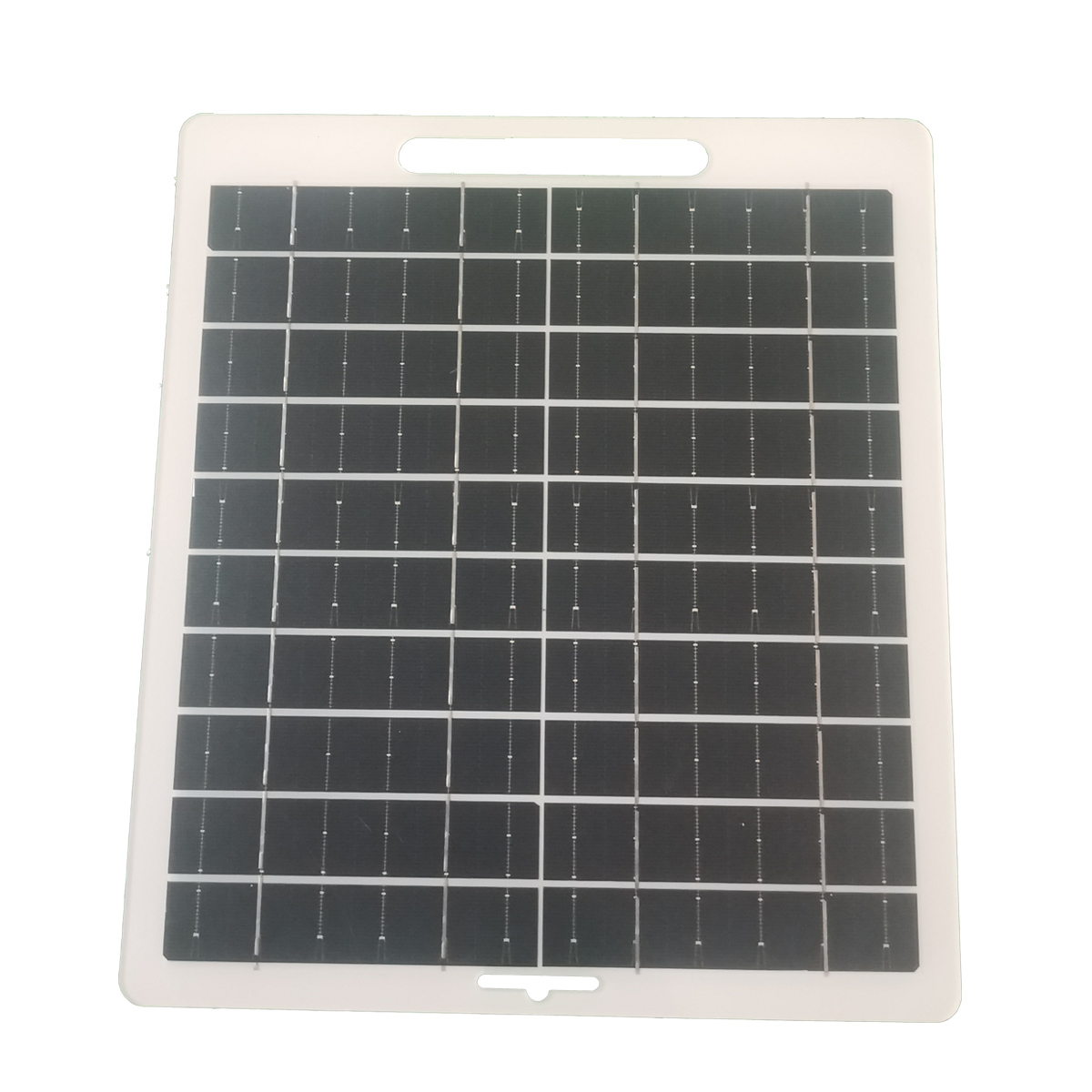
In the rapidly evolving renewable energy sector, solar power continues to play a pivotal role in driving sustainable development worldwide. As governments and industries intensify efforts to reduce carbon footprints, solar panel technology is witnessing significant advancements and expanding adoption. Understanding the basics of solar panels and the key players behind their innovation is essential. Among these players is Deyangpu, an enterprise that has been at the forefront of solar module research and development in China since 2009.
### Understanding the Basics of Solar Panels
Solar panels, also known as photovoltaic (PV) modules, are devices that convert sunlight directly into electricity. They consist of multiple solar cells made primarily from silicon, which is a semiconductor material. When sunlight hits these cells, it excites electrons, creating an electric current that can be harnessed for power.
There are several types of solar cells, including monocrystalline, polycrystalline, and thin-film. Each type has its own efficiency ratings, manufacturing complexities, and cost structures. Monocrystalline panels are known for their high efficiency and longer lifespan, while polycrystalline panels offer a more cost-effective solution with moderate efficiency. Thin-film technology, though less efficient, offers flexibility and lightweight options for specialized applications.
The core components of a solar panel include the solar cells themselves, a protective glass layer, encapsulants to secure the cells, a backing layer for structural support, and a frame to hold the entire assembly. These components work together to ensure optimal energy generation and durability under various environmental conditions.
### The Role of OEMs in the Solar Industry
Original Equipment Manufacturers (OEMs) play a critical role in the solar industry by providing the foundational products that brand companies use in their finished solar solutions. OEMs focus on the design, development, and production of solar modules, often tailoring them to the specifications of different clients or market needs.
By investing heavily in research and development, OEMs help improve the efficiency, reliability, and affordability of solar panels. Their innovations often lead to more effective solar solutions that can be produced at scale, thereby advancing the adoption of solar energy worldwide.
### Deyangpu: A Pioneer in Solar Module Innovation
Established in March 2009, Deyangpu is one of the earliest enterprises in China dedicated to the research, development, production, and sales of solar modules. With a history spanning over a decade, the company has built a strong reputation for its commitment to innovation and quality within the solar cell application industry.
Deyangpu’s strategic focus on R&D has enabled the company to develop advanced solar modules that cater to diverse market requirements. By integrating cutting-edge technology and maintaining rigorous production standards, Deyangpu has positioned itself as a reliable OEM within the competitive global solar industry.
### Advancements and Market Trends
The solar panel market continues to evolve, driven by technological innovation and shifting market demands. Increasing efficiency rates, reduced manufacturing costs, and improved material science are reshaping the sector’s landscape.
For companies like Deyangpu, staying ahead involves constant innovation. Recent developments include the enhancement of cell efficiency through passivated emitter rear cell (PERC) technology, bifacial solar modules that capture sunlight from both sides, and the use of new materials that increase durability and reduce degradation rates.
Additionally, the global push for sustainable energy solutions has resulted in supportive policies and incentives, encouraging more residential, commercial, and utility-scale solar installations. This surge in demand has created both opportunities and challenges for OEMs to scale production while maintaining high quality.
### Environmental and Economic Impact
Solar energy’s rise is significantly contributing to global efforts to combat climate change. By replacing fossil fuel-based electricity generation with clean solar power, carbon emissions are drastically reduced. This transition not only addresses environmental concerns but also stimulates economic growth through job creation and energy independence.
Companies such as Deyangpu are integral in this transformation. By developing reliable and cost-effective solar modules, they enable broader access to renewable energy solutions. The proliferation of such technologies ensures that solar power can reach more remote, underserved areas that lack traditional infrastructure.
### Looking Forward: The Future of Solar Modules
The future of solar technology is bright and full of potential. Innovations in solar panel design, including flexible panels, integrated energy storage solutions, and smart grid compatibility, are on the horizon. These advancements promise to further enhance the efficiency, versatility, and affordability of solar power systems.
Furthermore, the emphasis on sustainable manufacturing processes and circular economy principles will continue to grow within the industry. OEMs will play an essential role by adopting eco-friendly materials, minimizing waste, and improving the recyclability of their products.
### Conclusion
Solar panels remain at the core of the renewable energy transition, offering a clean and sustainable source of electricity. A fundamental understanding of their operation and manufacturing highlights the importance of innovation and quality in advancing solar technology.
Deyangpu exemplifies the vital contributions of early industry pioneers that have dedicated themselves to pushing the boundaries of solar cell applications. With over a decade of experience in research, development, and manufacturing, the company continues to drive improvements in solar module performance and market accessibility.
As the world increasingly embraces renewable energy, the collaboration between OEMs, technology developers, and end-users will be crucial. Together, they ensure that solar power not only meets today’s energy needs but also paves the way for a greener, more sustainable future.