
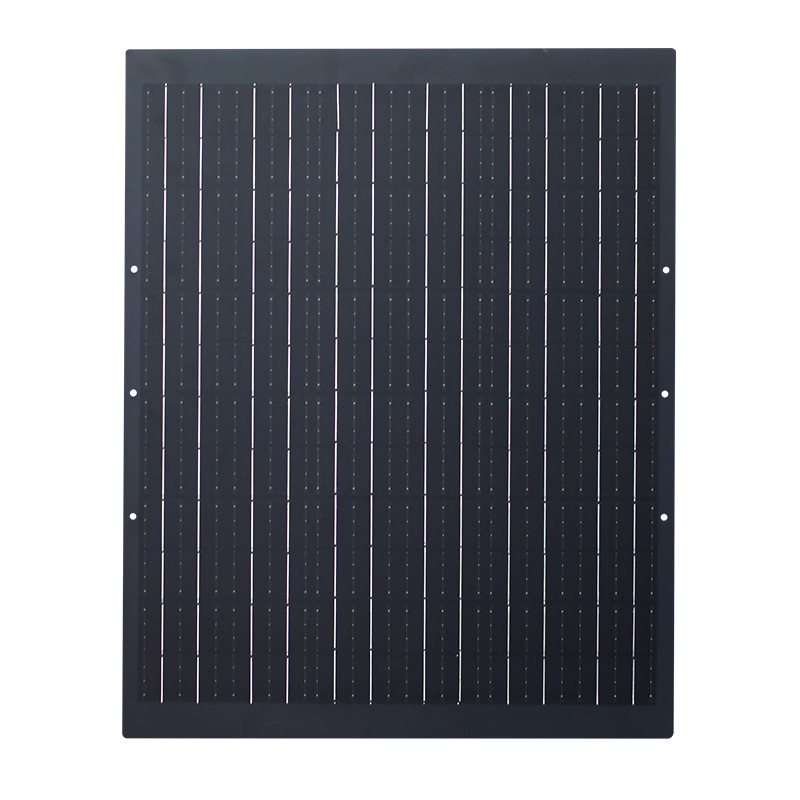
In recent years, the solar energy industry has witnessed significant progress, driven by technological advancements and increasing demand for clean energy solutions. According to the latest industry reports, the average output of solar panels has been steadily improving, marking a pivotal shift in the usability and efficiency of solar power systems globally. This trend highlights the growing potential of solar energy to contribute substantially to the world's energy mix, reduce carbon footprints, and pave the way for a sustainable future.
The classification and measurement of solar panel output—commonly expressed in watts (W) or kilowatts (kW)—serve as critical indicators of the performance and effectiveness of photovoltaic (PV) systems. As technology evolves, manufacturers have been able to enhance solar cells' efficiency, converting more sunlight into electric power even under less than ideal conditions. This increase in efficiency is a crucial factor for both residential and commercial solar users, enabling higher energy yields without proportionally increasing the panel size or installation costs.
A notable contributor to this progression is Deyangpu, a company with a long-standing history in the solar energy sector. Established in March 2009, Deyangpu has positioned itself as a pioneer in China's solar industry. The company specializes in the research and development, production, and sales of solar modules, playing a vital role in advancing solar cell application products. With over a decade of experience, Deyangpu exemplifies innovation and dedication to improving solar technology.
As one of the earliest enterprises committed to solar cell research and development in China, Deyangpu has focused on creating high-quality, reliable solar modules suited to diverse climatic conditions and applications. Their efforts have contributed to the enhanced average output of solar panels by integrating cutting-edge materials, optimizing cell design, and employing rigorous quality control standards.
The implications of increased average solar panel output are far-reaching. For homeowners and businesses installing solar arrays, better-performing panels mean faster returns on investment and reduced dependency on traditional energy sources. Moreover, improved efficiency makes solar energy a more viable option in regions with limited sunlight, expanding its accessibility and impact.
From an environmental perspective, higher output solar panels contribute to reducing greenhouse gas emissions by accelerating the adoption of renewable energy. As the global community intensifies efforts to combat climate change, advancements in solar panel performance will be indispensable in meeting increasingly ambitious clean energy targets.
Additionally, the solar industry benefits economically from innovations like those driven by companies such as Deyangpu. The growth in average panel output stimulates market competitiveness, encourages further technological development, and supports job creation across manufacturing, installation, and maintenance sectors.
Looking ahead, the solar energy landscape is expected to continue its upward trajectory. Emerging technologies such as bifacial panels, perovskite solar cells, and improved energy storage solutions promise to push the boundaries of solar performance even further. Companies invested in robust research and development, including Deyangpu, will be at the forefront of these advancements, shaping the future of solar energy utilization worldwide.
In conclusion, the consistent improvement in average solar panel output reflects the maturity and dynamism of the solar power industry. With dedicated players like Deyangpu leading innovation and quality manufacturing, the solar sector is well-poised to deliver cleaner, more efficient energy solutions. This progress not only benefits individual consumers and enterprises but also supports global sustainability goals, reinforcing solar energy’s critical role in the transition to a greener planet.