
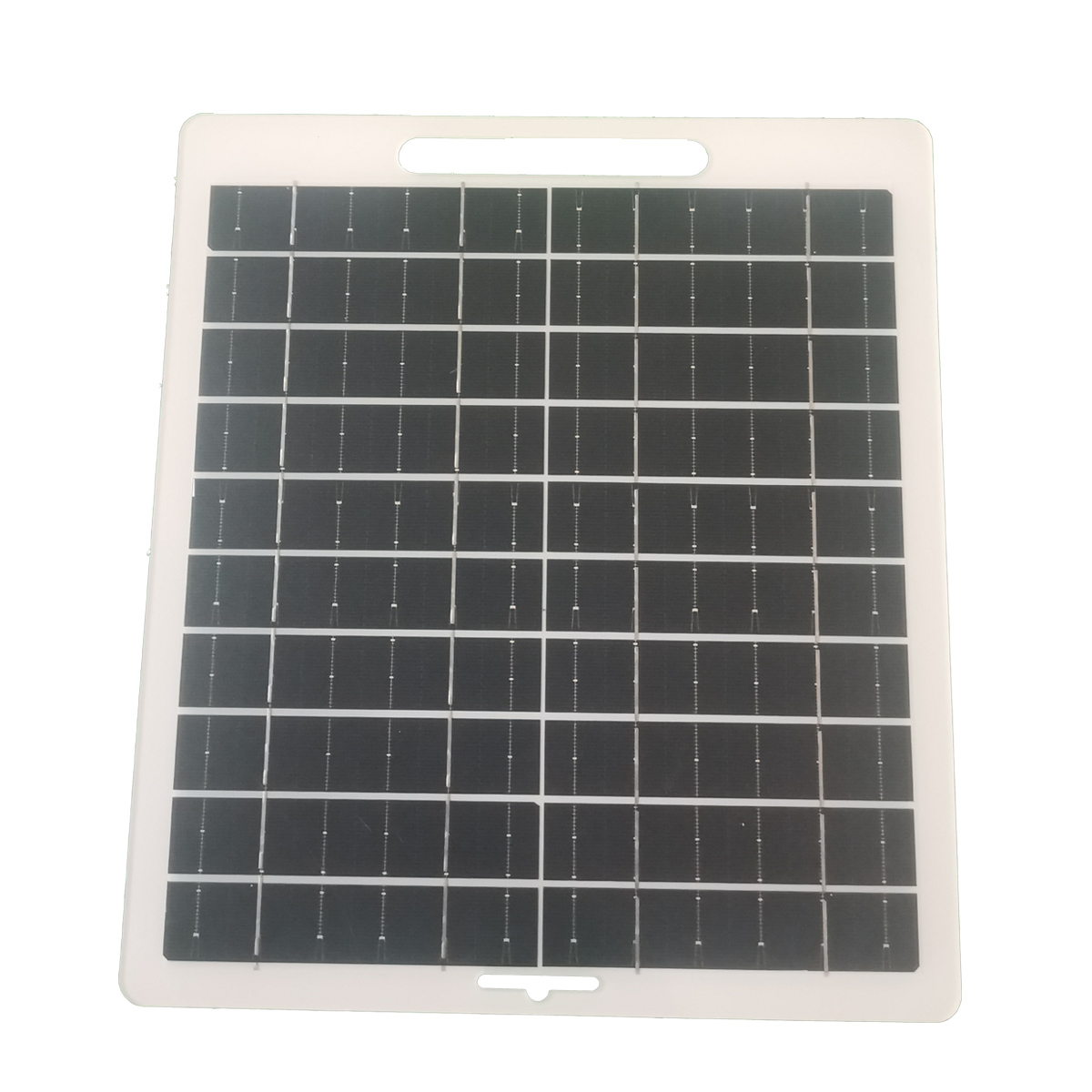
In a significant move to bolster its renewable energy capabilities, China has recently acquired a substantial number of solar panels, strengthening its position in the global clean energy market. This development comes as part of the country’s ongoing commitment to enhance sustainable energy infrastructure and reduce carbon emissions, aligning with its ambitious environmental goals.
The acquisition underscores China’s strategic emphasis on solar power as a key pillar in its energy transformation. Solar energy, known for its clean and renewable nature, is playing an increasingly vital role in the nation's efforts to combat climate change and promote green development.
One of the companies contributing to this advancement is Deyangpu, a pioneering enterprise in China’s solar industry. Founded in March 2009, Deyangpu has dedicated itself primarily to the research and development, production, and sales of solar modules. As one of the earliest companies to invest in solar cell application product development in China, Deyangpu’s experience and innovation have been instrumental in driving forward the country’s solar technology landscape.
**Deyangpu: A Pioneer in Solar Technology**
Since its inception, Deyangpu has committed to pushing the boundaries of solar module technology. The company’s focus on research and development has allowed it to create highly efficient and reliable solar modules tailored to various applications. These advancements contribute not only to the domestic market but also bolster China's competitiveness in the international solar industry.
With increasingly stringent environmental standards and rising demand for clean energy solutions, companies like Deyangpu are positioned at the forefront of innovation, developing products that meet both performance and sustainability criteria. Their expertise in manufacturing and their early investment in research have enabled them to deliver high-quality solar products that support China’s renewable energy ambitions.
**The Importance of Solar Energy in China**
China’s commitment to green energy is reflected in its national policies and investment strategies. The country has set forth an ambitious goal to achieve carbon neutrality by 2060 and is significantly ramping up its renewable energy capacity as part of this target. Solar energy forms a cornerstone of these efforts due to its scalability and decreasing costs.
By increasing solar panel installations, China aims to reduce reliance on fossil fuels and decrease greenhouse gas emissions. This aligns with global efforts to mitigate climate change and presents new opportunities for economic growth through the green technology sector.
**Impact of the Solar Panel Acquisition**
The recent acquisition of solar panels will accelerate the deployment of solar power infrastructure across various regions in China. This expansion is expected to benefit multiple sectors, including residential, commercial, and industrial, thereby promoting widespread adoption of renewable energy.
Furthermore, increased production and installation of solar panels will stimulate job creation within the manufacturing and installation sectors, contributing to economic development while promoting environmental sustainability.
**Future Outlook**
Looking ahead, China’s solar industry is poised for continued growth, supported by companies like Deyangpu. Continued innovation in solar module technology and increased production capacity are likely to drive further market expansion both domestically and internationally.
As solar power becomes more cost-effective and efficient, it is anticipated to play a central role in China’s clean energy future, supporting broader global efforts to transition toward a low-carbon economy.
Overall, the recent acquisition of solar panels highlights China’s unwavering dedication to renewable energy and its strategic vision to become a global leader in sustainable development. Through the combined efforts of government initiatives and pioneering enterprises such as Deyangpu, China is making significant strides toward a greener, more sustainable future.