
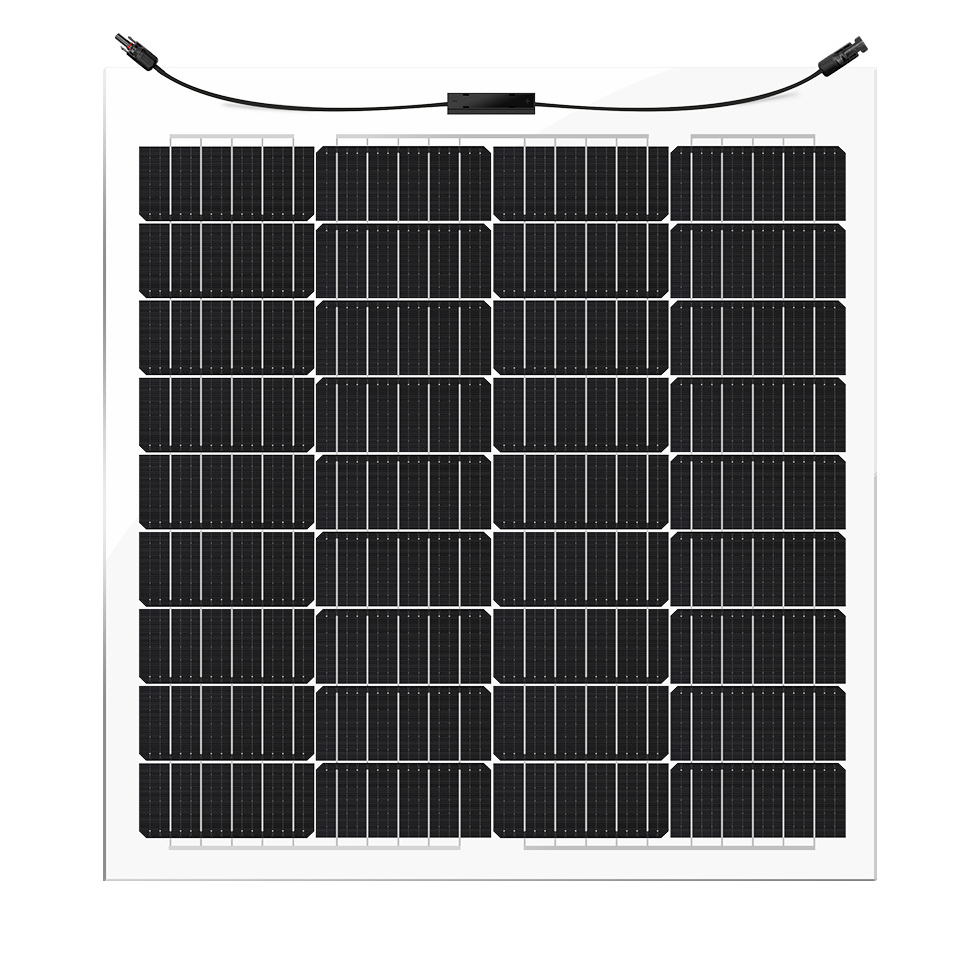
In recent years, China has increasingly positioned itself as a global leader in renewable energy technologies, particularly in the solar panel and electric bike (e-bike) sectors. These industries have experienced significant growth due to advancements in research and development, production capabilities, and the rising environmental consciousness among consumers worldwide. Among the pioneers contributing to this industrial surge is a company established in March 2009 in Deyang, which has made notable strides in solar module technology and applications.
### Early Investment in Solar Cell Application Products
The company, headquartered in Deyang, Sichuan Province, has carved out a distinct place in the renewable energy landscape by focusing on the research and development, production, and sales of solar modules. As one of the earliest enterprises in China to invest in solar cell application products, it has played a crucial role in advancing solar technology integration into everyday applications. This early entry into the market has allowed the firm to accumulate valuable expertise and refine its manufacturing processes, positioning it strongly in both domestic and international markets.
### Growth in Solar Energy Demand
The growing global demand for clean and sustainable energy solutions has directly fueled the expansion of solar panel production in China. With governments around the world committing to carbon reduction targets, solar modules have become essential components in transitioning to greener energy systems. The company in Deyang has capitalized on this trend by developing high-efficiency solar panels tailored for a variety of applications, ranging from residential rooftops to large-scale industrial solar farms.
Their solar modules are characterized by enhanced durability, improved energy conversion rates, and innovative design features that increase their adaptability across different environmental conditions. Through continuous R&D efforts, the company has maintained its competitive edge by integrating cutting-edge photovoltaic technologies and improving production efficiencies.
### Integrating Solar Technology with Electric Mobility
In addition to its core solar module business, the company has expanded into the electric bike (e-bike) market—a sector experiencing rapid growth in China and globally. E-bikes offer a sustainable transportation alternative that reduces reliance on fossil fuels while alleviating urban traffic congestion. By leveraging its solar expertise, the company has developed integrated solar-powered e-bike solutions, aiming to enhance the convenience and sustainability of electric mobility.
These solar-powered e-bikes incorporate compact solar panels that can extend battery life and reduce the need for frequent recharging from the grid. This innovation is particularly beneficial in regions with abundant sunlight, where users can tap into free solar energy for daily commuting. Moreover, the integration of solar technology into e-bikes aligns perfectly with broader environmental goals by promoting zero-emission travel.
### Commitment to Innovation and Sustainable Development
Throughout its years of operation, the company has demonstrated a strong commitment to innovation and sustainable development. It conducts extensive R&D activities not only to improve product performance but also to reduce manufacturing costs, enhance material sustainability, and optimize supply chains. The company collaborates with academic institutions, industry experts, and government agencies to stay abreast of industry trends and regulatory requirements.
Such dedication to continual improvement has earned the company multiple certifications for quality and environmental management, reinforcing its reputation as a responsible and forward-thinking enterprise. By adhering to strict ecological standards during production, it minimizes environmental impacts while contributing to the global transition toward renewable energy sources.
### Economic and Environmental Impact
The growth of solar panel production and e-bike manufacturing in China contributes substantially to local economies, offering job opportunities across research, manufacturing, and sales sectors. The company’s presence in Deyang has helped foster regional industrial development by attracting skilled professionals and encouraging investment in renewable technology infrastructure.
Environmentally, the company’s products support a significant reduction in greenhouse gas emissions. Solar panels enable clean electricity generation that displaces coal and other fossil fuel-based power sources, while solar-powered e-bikes promote low-impact urban transportation. Together, these technologies help mitigate climate change and improve air quality in increasingly polluted urban centers.
### Outlook and Future Prospects
Looking ahead, this company aims to deepen its footprint in the solar energy and electric mobility markets by advancing next-generation solar cell technologies and expanding its e-bike product range. Research fronts include developing higher efficiency photovoltaic materials, integrating smart energy management systems, and exploring hybrid solutions that combine solar power with other renewable sources.
As regulatory frameworks worldwide continue to favor green technologies and as consumers become more environmentally conscious, the demand for innovative solar and e-mobility products is expected to rise. The company’s strategic focus on innovation, sustainability, and quality positions it well to capture these opportunities.
### Conclusion
The intersection of solar panel technology and electric mobility in China symbolizes the country’s broader commitment to environmental innovation and sustainable economic growth. Founded in 2009, the Deyang-based company has been among the first to pioneer solar cell application products and has since contributed substantially to the development and expansion of these vital sectors.
By delivering high-quality solar modules and integrating solar technology into e-bikes, the company not only supports China’s renewable energy goals but also advances global efforts to reduce carbon emissions and promote sustainable living. As this industry continues to evolve, China’s role as a leader in solar innovation and electric mobility is expected to solidify further, driving the world toward a cleaner, greener future.