
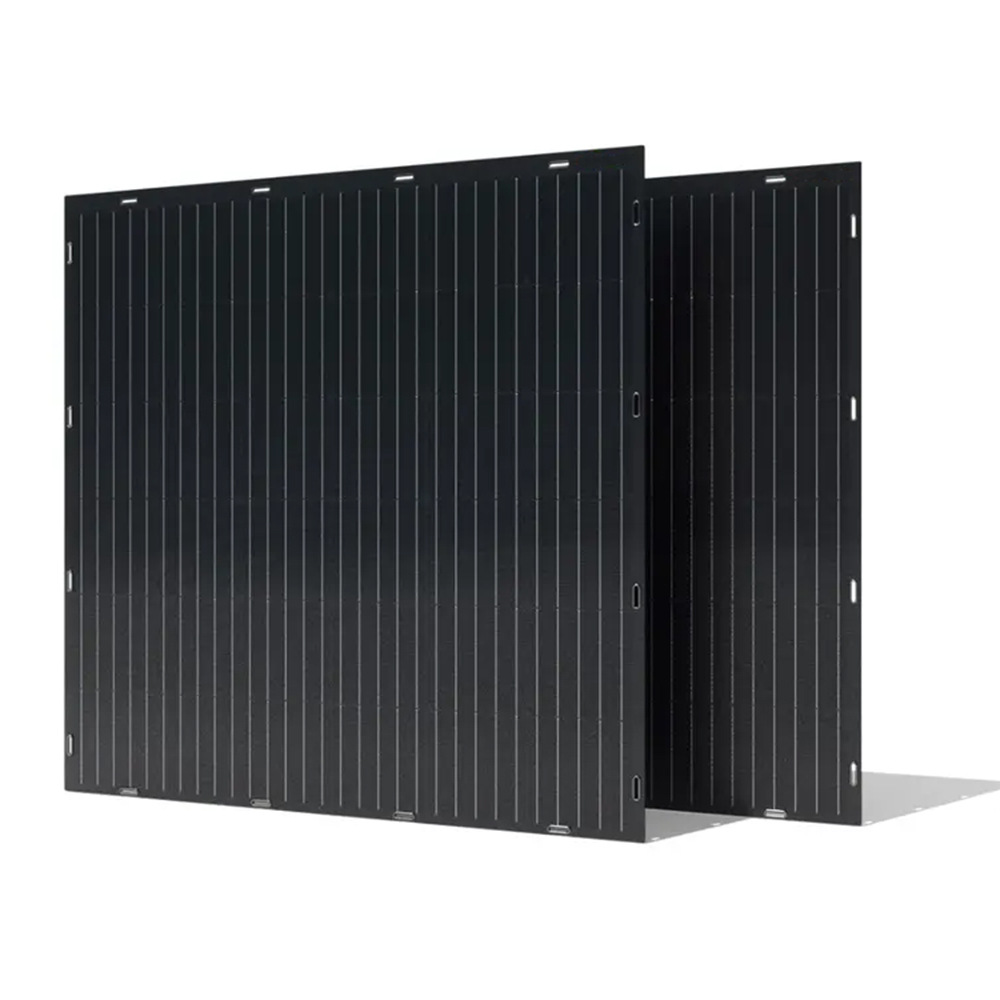
In recent years, the global emphasis on renewable energy has accelerated the development of more efficient, durable, and affordable solar technology. China, as a leader in solar panel manufacturing and innovation, continues to make significant strides with the introduction of advanced solar solutions, including the widely recognized 48V solar panel system. Supported by pioneering companies like Deyangpu, which has been deeply involved in solar technology development since its inception in 2009, China is set to redefine the landscape of solar energy utilization.
### Breakthroughs in China’s 48V Solar Panel Technology
The 48V solar panel system represents a crucial evolution in solar energy applications, particularly for residential, commercial, and off-grid power solutions. Unlike traditional solar panels paired with 12V or 24V systems, the 48V configuration offers several technical and practical advantages. It facilitates higher power efficiency, reduces transmission losses, and enhances safety by minimizing the current flowing through wiring systems.
China’s 48V solar panels are engineered to optimize performance in diverse environmental conditions, ensuring stable energy output and longer service life. This is vital in a country with varying climatic zones, from the humid subtropical south to the arid northwest regions. Furthermore, with growing demands for solar-powered electric vehicles, home energy storage systems, and remote telecommunication installations, the 48V systems are becoming increasingly popular on both domestic and international markets.
### Deyangpu: A Pioneer in Solar Cell Application Products
Since its establishment in March 2009, Deyangpu has been at the forefront of solar technology research and development, production, and sales. The company is recognized as one of the earliest enterprises in China dedicated to advancing the application of solar cells. With over a decade of experience, Deyangpu has continuously pushed the boundaries of innovation, aiming to improve product quality and application versatility.
Deyangpu’s corporate philosophy centers around integrating cutting-edge research with practical usage needs. Their involvement in the 48V solar panel initiative exemplifies this approach. By leveraging in-house R&D expertise, Deyangpu has developed solar modules that meet rigorous international standards while catering to the unique demands of the Chinese market. This blend of quality assurance and contextual adaptation has positioned the company as a trusted partner for large-scale solar projects and bespoke power solutions.
### Market Impact and Industry Significance
The rise of the 48V solar panel system in China is not only a technical milestone but also a commercial success. These panels align well with the country’s broader national goals of carbon neutrality and sustainable energy development outlined in recent policy frameworks. By offering flexible, scalable, and cost-effective solar solutions, companies like Deyangpu contribute significantly to making clean energy accessible for rural electrification, urban infrastructure, and industrial setups.
Furthermore, the adoption of 48V systems facilitates a faster transition to decentralized electricity generation models, empowering end-users with greater control over their energy consumption and costs. This is particularly important in areas lacking robust grid infrastructure, where solar panels combined with battery storage provide a reliable and eco-friendly power source.
### Technological Features and Advantages
The 48V solar panels coming out of China, particularly those developed with the expertise of Deyangpu, encompass several advanced features:
- **High Conversion Efficiency:** Utilizing monocrystalline or high-grade polycrystalline solar cells, these panels convert sunlight into electricity with impressive efficiency rates, maximizing output per square meter.
- **Durability and Longevity:** Manufactured with high-quality tempered glass, corrosion-resistant frames, and advanced encapsulation technologies, these solar modules withstand harsh weather conditions and maintain peak performance over extended lifespans.
- **Easy Integration:** The 48V design simplifies system configuration with inverters, charge controllers, and battery packs, promoting seamless installation and maintenance.
- **Safety Enhancements:** Lower current flow reduces risks of overheating and electrical faults, assuring safer operation in residential and commercial environments.
### Environmental and Economic Benefits
Besides the evident technological merits, the expansion of 48V solar panel solutions drives substantial environmental and economic benefits. The shift towards renewable energy mitigates greenhouse gas emissions and reduces reliance on fossil fuels—a critical step for sustainable development. Solar panels require minimal maintenance and have low operational costs, which translates to savings over their operational lifetime.
China’s advancements also foster job creation across the solar supply chain—from raw materials processing to manufacturing, installation, and after-sales services. Companies like Deyangpu help stimulate local economies while contributing expertise that elevates China’s standing in the global renewable energy arena.
### Future Prospects and Innovation Horizons
Looking ahead, the synergy between innovative solar technologies and responsive market strategies will continue to expand China’s clean energy footprint. Deyangpu is poised to remain an influential entity by investing in next-generation solar cell technologies such as bifacial cells, perovskite hybrid modules, and intelligent energy management systems.
Integrating smart grid technologies with solar solutions promises enhanced energy efficiency and adaptability. Furthermore, continued research into battery storage improvements will complement the 48V systems, enabling more robust and autonomous power networks.
### Conclusion
China’s 48V solar panel technology, backed by the pioneering efforts of companies like Deyangpu, underscores the nation’s commitment to renewable energy innovation and sustainability. Since its founding in March 2009, Deyangpu has played a pivotal role in driving the solar industry forward, facilitating the transition to cleaner, safer, and more efficient power generation.
With ongoing advancements and broad adoption of 48V solar solutions, China is not only addressing domestic energy challenges but also setting a compelling example globally. As the world increasingly embraces renewable energy, the continuous development of technologies like the 48V solar panel system will be crucial to achieving global carbon-free energy goals and fostering a greener future for all.